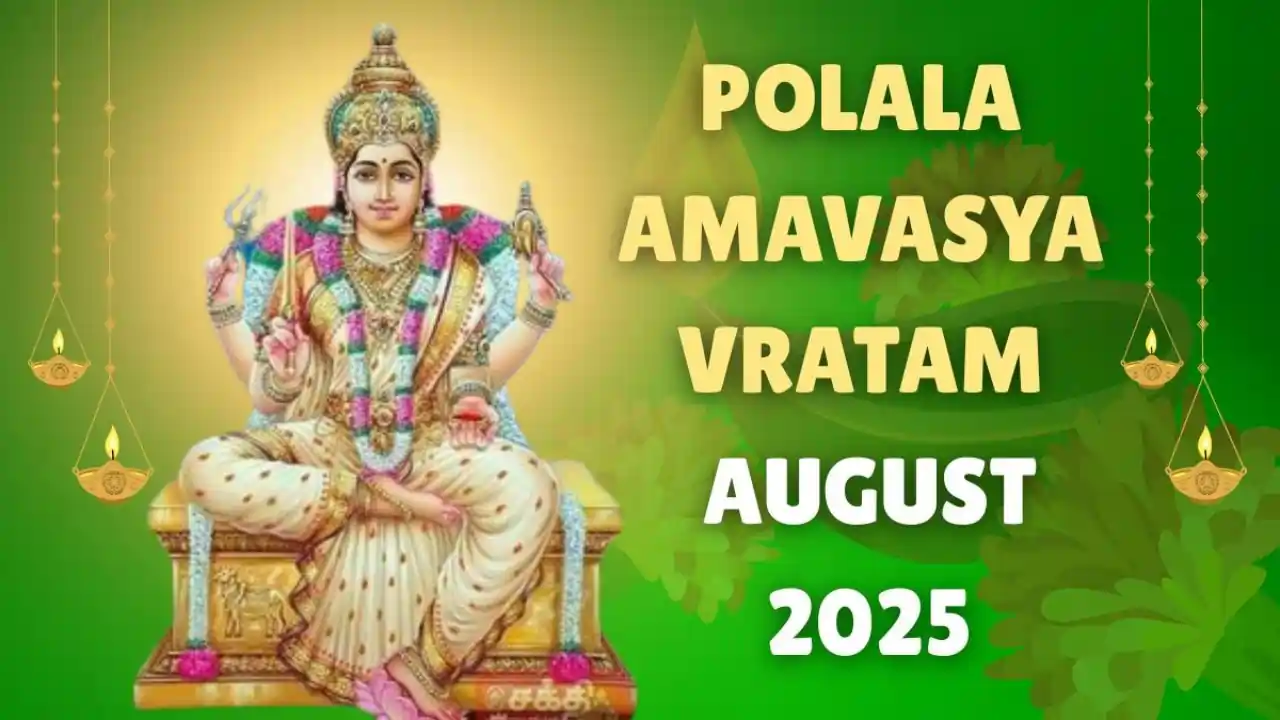











Polala Amavasya 2025: A Sacred Day of Devotion for Mothers and Children’s Well-Being
3 months ago | 5 Views
Polala Amavasya, also celebrated as Pithori Amavasya in North India, is a deeply revered No Moon day dedicated to Goddess Poleramma, the divine protector of children. Observed with unwavering devotion by mothers, this sacred occasion is a heartfelt prayer for the health, safety, and longevity of their children, particularly during the monsoon season when illnesses are prevalent. Scheduled for Saturday, August 23, 2025, with the tithi spanning from 11:56 AM on August 22 to 11:36 AM on August 23, Polala Amavasya is a time of spiritual rituals, fasting, and offerings that strengthen the bond between mothers and their children. This essay explores the significance, rituals, and cultural essence of this cherished festival.
The Spiritual Significance of Polala Amavasya
Polala Amavasya holds immense spiritual importance, particularly in South India, where Goddess Poleramma is worshipped as a guardian deity. Known for her fierce yet nurturing nature, she is believed to shield children from diseases and negative energies, especially during the monsoon’s challenging weather. Mothers observe this day with a sense of duty and love, seeking divine blessings for their children’s well-being. The festival also reflects the timeless tradition of maternal devotion, where fasting and prayers symbolize a mother’s selfless commitment to her family. In North India, as Pithori Amavasya, the day is dedicated to honoring the 64 Yoginis alongside Goddess Poleramma, emphasizing protection and prosperity.
Rituals and Observances: A Day of Devotion
The rituals of Polala Amavasya are steeped in tradition and performed with meticulous care. Mothers begin the day early, rising before sunrise to prepare for the sacred observances. The centerpiece of the rituals is the shodashopachar puja—a 16-step worship process dedicated to Goddess Poleramma. This includes offerings of flowers, incense, lamps, and food, performed with deep reverence. At home, women create symbolic images of the Pochamma Temple, often using turmeric, vermilion, and rice flour to draw intricate designs that invoke the goddess’s presence.
A key ritual involves tying the Raksha Daaram or Thoranam, a sacred thread, around the wrists of children. This thread, blessed during the puja, is believed to act as a protective shield, warding off evil forces and ensuring the child’s safety. The preparation of specific offerings adds a unique touch to the day. Mothers make sweet balls from jaggery and chana dal for their sons, symbolizing strength and vitality, while daughters receive urad dal vadas, representing grace and resilience. These offerings are shared as prasad after the puja, strengthening familial bonds.
The Nirjala Vratam: A Test of Faith
Central to Polala Amavasya is the nirjala vratam, a waterless fast observed by mothers with unwavering dedication. This rigorous fast, where women abstain from food and water for the duration of the tithi, is a profound expression of their devotion. The fast is believed to amplify the potency of their prayers, ensuring the goddess hears their pleas for their children’s health and longevity. Despite the physical challenge, the fast is undertaken with joy, as mothers view it as a sacred duty to protect their loved ones. The fast concludes with the recitation of the vrat katha, a narrative that recounts the glory of Goddess Poleramma and the significance of the day.
Hymns and Chants: Invoking Divine Blessings
Chanting sacred hymns is an integral part of the Polala Amavasya rituals. Mothers recite powerful mantras such as Durga Stuti, Gauri Ashtottaram, and Bhavani Ashtakam to invoke the goddess’s blessings. These hymns, filled with devotion, create a spiritual ambiance and strengthen the connection between the worshipper and the divine. The rhythmic chanting, often accompanied by the ringing of bells and the fragrance of incense, transforms homes into sacred spaces, fostering a sense of peace and protection.
Cultural and Emotional Resonance
Polala Amavasya is more than a religious observance; it is a celebration of the unbreakable bond between mothers and their children. The festival underscores the universal theme of maternal love, transcending regional and cultural boundaries. In rural communities, the day is marked by collective worship at local Poleramma temples, where women gather to share stories, prayers, and offerings. The festival also serves as a reminder of the importance of community and tradition in preserving cultural heritage. For children, the Raksha Daaram becomes a cherished symbol of their mother’s love and the divine protection bestowed upon them.
Looking Ahead to August 23, 2025
As Polala Amavasya approaches on August 23, 2025, preparations are underway in households across India. The festival’s timing during the monsoon season makes it particularly relevant, as mothers pray for their children’s immunity against seasonal ailments. With its blend of spirituality, tradition, and familial love, Polala Amavasya continues to hold a special place in the hearts of devotees. The rituals, from the shodashopachar puja to the nirjala vratam, reflect a timeless commitment to faith and family, ensuring that Goddess Poleramma’s blessings safeguard the next generation.
Read Also: Ganesh Chaturthi: Celebrating the Remover of Obstacles
Get the latest Bollywood entertainment news, trending celebrity news, latest celebrity news, new movie reviews, latest entertainment news, latest Bollywood news, and Bollywood celebrity fashion & style updates!
HOW DID YOU LIKE THIS ARTICLE? CHOOSE YOUR EMOTICON!
# PolalaAmavasya2025 # Goddess