The Chronology of Water: Kristen Stewart’s Beautiful, Messy Leap into the Chaos of Truth
4 months ago | 5 Views
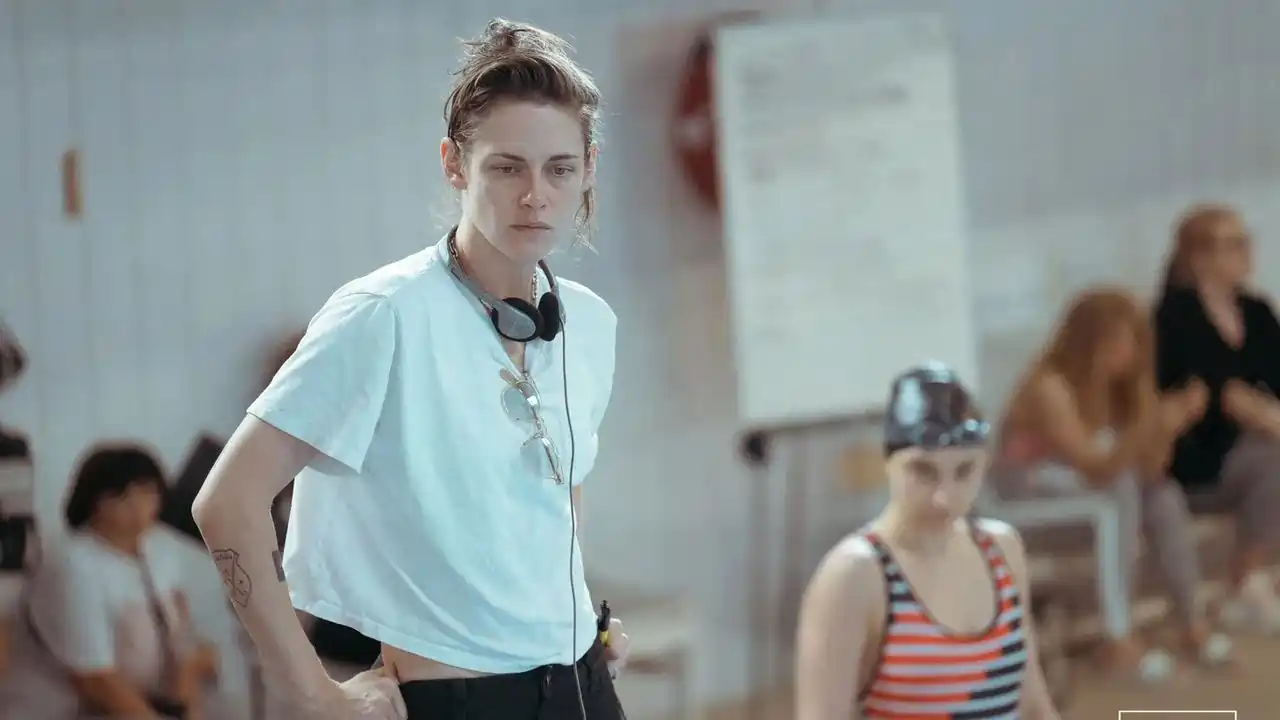
Kristen Stewart’s directorial debut, The Chronology of Water, doesn’t arrive quietly. Adapted from Lidia Yuknavitch’s raw, unflinching memoir, the film plunges us into the life of a competitive swimmer who loses everything—family, sobriety, certainty—and rebuilds herself through language. What emerges on screen is a swirl of visceral beauty and deliberate disorientation: bodies slicing through turquoise water intercut with feverish sex, brutal violence, and sudden bursts of poetry. It’s exhilarating, exhausting, and unmistakably alive.
When Ambition Outruns Clarity
At its core, Stewart’s film asks a difficult question every artist eventually faces: How much chaos can a story hold before its emotional truth drowns?
Stewart answers with both hands wide open. She floods the screen with fragmented timelines, hallucinatory visuals, and a sound design that feels like drowning in reverse. Water becomes metaphor, memory, and weapon all at once. A single scene might shift from the crystalline silence of an Olympic-sized pool to the sticky haze of a Portland dive bar without warning. It’s bold, often breathtaking—and occasionally frustrating.
There are moments when the stylistic bravado feels like armor. The camera circles, crashes, and caresses with such intensity that you wonder if Stewart is protecting the story’s heart or hiding from it. Heartbreak this profound can be unbearable to look at directly; perhaps blurring the edges is the only way to survive telling it.

The Courage to Stay Underwater
Yet that same refusal to sanitize is what makes The Chronology of Water linger. Stewart trusts Yuknavitch’s voice—fierce, funny, filthy, tender—and lets it bleed through every frame. Imogen Poots, as the swimmer-writer, delivers a performance that feels scraped raw. When she finally surfaces, gasping, and speaks her truth into existence, the payoff is devastating because we’ve earned it alongside her.
This is where artistic ambition and emotional clarity aren’t enemies but lovers in a bruising embrace. The experimentation doesn’t obscure the heart; it drags us through the same undertow the protagonist must navigate. We feel the panic of addiction, the erotic charge of self-destruction, the slow dawn of self-acceptance not because they’re explained to us, but because Stewart makes us live inside them.
A Debut That Refuses Easy Answers
In interviews, Stewart has called the film “a queer, messy, female rage project.” That description feels exactly right. The Chronology of Water isn’t interested in reassuring us that healing is linear or pretty. It insists that to write your life—to truly write your life—you sometimes have to let the water close over your head.
Not every viewer will want to hold their breath that long. Some will surface early, coughing, and call it pretentious. Others will stay under until the final frame and emerge shaken in the best way.
Stewart’s debut won’t be remembered as perfect. It will be remembered as fearless. In an era of focus-grouped storytelling and trauma rendered in soothingly cinematic, The Chronology of Water reminds us that real emotional clarity sometimes looks like chaos—until suddenly, miraculously, it doesn’t.
And when the final image fades—water rippling, a body finally floating instead of fighting—you understand: the mess was the point. The beauty was the survival.
Read Also: Sixteen Tons: How a 1955 Coal-Miner Lament Became America’s Eternal Anthem of Labor
Get the latest Bollywood entertainment news, trending celebrity news, latest celebrity news, new movie reviews, latest entertainment news, latest Bollywood news, and Bollywood celebrity fashion & style updates!
HOW DID YOU LIKE THIS ARTICLE? CHOOSE YOUR EMOTICON!
# KristenStewart # TheChronologyofWater

.webp)


.webp)