











Sixteen Tons: How a 1955 Coal-Miner Lament Became America’s Eternal Anthem of Labor
15 days ago | 5 Views
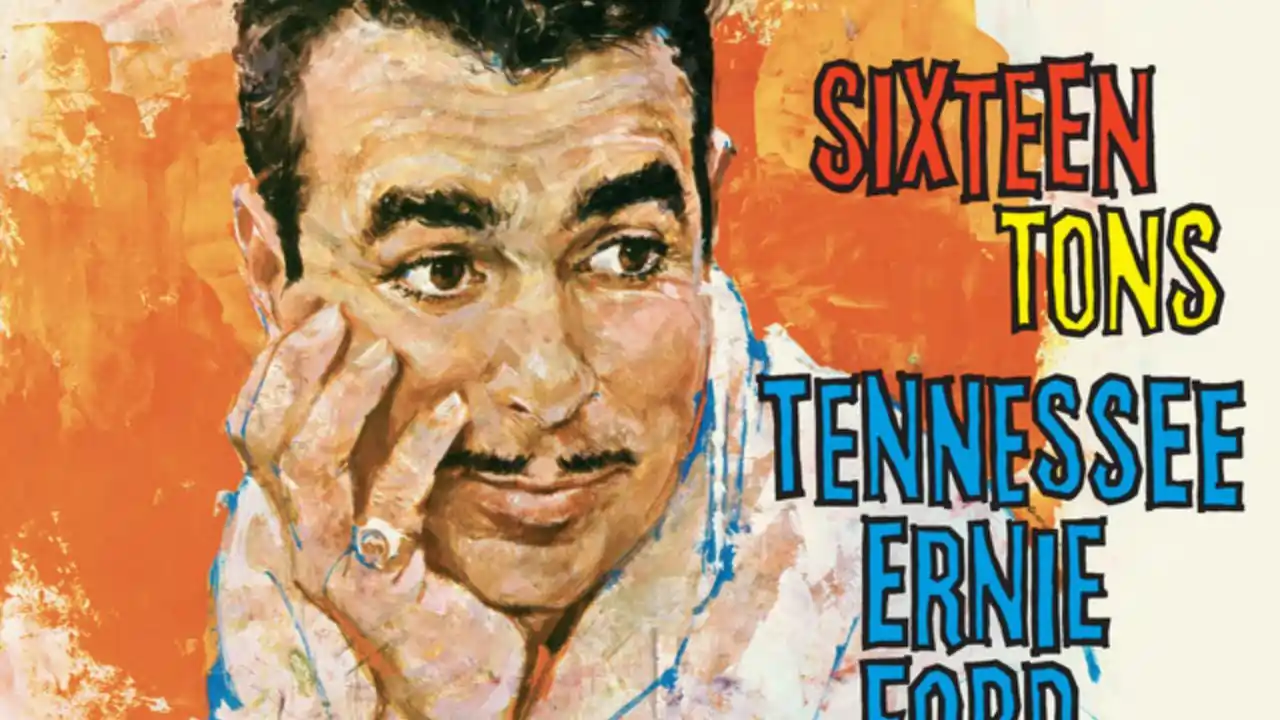
In 1955, Tennessee Ernie Ford stepped up to a microphone, dropped his voice into a cavernous baritone, and delivered one of the most unforgettable opening lines in popular music: “Some people say a man is made outta mud…” With those words, “Sixteen Tons” rocketed to No. 1 on both the country and pop charts, sold millions of copies, and turned an old coal-field ballad into a national phenomenon. Yet the song was never really Ford’s. It belonged first to Merle Travis, who wrote and recorded it in 1946, and even deeper, it belonged to generations of Appalachian miners trapped in a system that owned their labor, their homes, and sometimes their lives.
Roots in the Coal Dust
Merle Travis grew up in Muhlenberg County, Kentucky, surrounded by company towns and the constant rumble of coal trucks. His father, a miner, often used the phrase “I loaded sixteen tons and what do I get? Another day older and deeper in debt.” That line, along with “I owe my soul to the company store,” came straight from family conversation and the bitter jokes miners told to survive the day.
When Travis cut the song in 1946, he kept the arrangement stark: finger-picked guitar, a faint brushed snare, and his own weary voice. It was haunting, but it stayed a regional favorite until Tennessee Ernie Ford—already famous for his booming voice and Capitol Records polish—heard it nearly a decade later.
The Voice That Shook America
Ford didn’t just cover “Sixteen Tons.” He transformed it. Backed by a snappy clarinet riff and a finger-snapping rhythm section, his subterranean baritone turned every line into a hammer blow. The minimalist production let the lyrics breathe, and suddenly a song about debt peonage sounded like a warning everyone could feel.
In an era when television was bringing living rooms together and the post-war boom promised endless prosperity, “Sixteen Tons” reminded listeners that some Americans were still fighting the same battles their grandfathers had fought. It topped the Billboard charts for ten weeks and became one of the fastest-selling singles in history.
More Than a Hit: A Mirror to Exploitation
At its core, “Sixteen Tons” is a protest song disguised as a work chant. The truck-system wages, the company scrip, the company store that charged inflated prices—everything Travis described was real. Miners often ended the week owing more than they earned, legally bound to the company that controlled housing, medical care, and even burial plots.
The song’s genius lies in its restraint. There’s no screaming, no soapbox. Just a tired man counting tons of coal and years of debt, ending with the defiant “If the right don’t get you, then the left one will.” It’s resignation and rebellion in the same breath.
A Legacy That Refuses to Fade
Decades later, “Sixteen Tons” still surfaces whenever workers feel crushed by invisible chains—whether in factories, gig-economy apps, or modern debt traps. Bruce Springsteen, Johnny Cash, and even French singer Eddy Mitchell have covered it. It appeared in movies, video games, and political rallies. Every new generation discovers the same chill when that deep voice growls, “I owe my soul…”
Merle Travis gave the song its bones. Tennessee Ernie Ford gave it wings. But the miners—faceless, voiceless, and bent under impossible loads—gave it soul. As long as people trade their labor for survival and still come up short, “Sixteen Tons” will never sound like history. It will only sound like today.
Get the latest Bollywood entertainment news, trending celebrity news, latest celebrity news, new movie reviews, latest entertainment news, latest Bollywood news, and Bollywood celebrity fashion & style updates!
HOW DID YOU LIKE THIS ARTICLE? CHOOSE YOUR EMOTICON!
# SixteenTons # America