Tata Harrier EV Highlights Tata Motors’ International Tech Collaborations and Ambitious EV Ecosystem
9 months ago | 5 Views
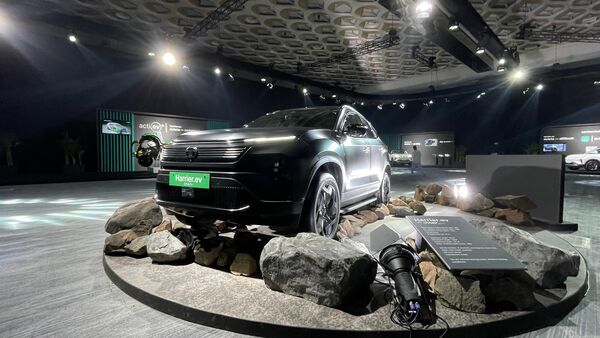
The Tata Harrier EV, the most recent flagship electric vehicle produced by the domestic automaker, is a significant component of Tata Motors' EV campaign. It signifies the conclusion of a continuous partnership-based approach in addition to the debut of a new product.
From fundamental charging infrastructure to sophisticated in-car technologies, Tata Motors has been actively building collaborations in all aspects of its committed passenger electric mobility trip from the start. In order to strengthen its position in the cutthroat global EV market and create its "global products," this integrated strategy is becoming more and more crucial.
The genesis of cooperation: early passenger electric car experiments and basic partnerships
Knowing that market acceptance depends on a strong support system and the development of essential technology, Tata Motors launched its electric mobility project. In the beginning of its passenger electric vehicle business, the car manufacturer formed a vital alliance with Tata Power, a group firm, to build a large network of EV charging stations throughout the nation. This was crucial because the main worries of the EV industry are range anxiety and charging availability. The collaboration served as the foundation for wider acceptance of electric vehicles.
Tata AutoComp Systems, a Tata Group business, was likewise instrumental in the automaker's EV development. The business had been actively investing in EV technologies, such as battery pack systems, before the introduction of models like the Nexon EV. It has since established joint ventures with Prestolite Electric for electric motors, controllers, and integrated drivetrain systems, and with Gotion Hi-Tech for battery cells and BMS solutions.
As a result, the component manufacturer has been able to localize production and transfer technology for Tata Motors' expanding EV lineup. This early interaction between internal synergy and external engagement highlighted a long-term dedication to developing an EV ecosystem that is both indigenous and knowledgeable about the world.
Integrating Components Worldwide to Engineer the Harrier EV
The newly introduced Tata Harrier EV, which makes use of a broad range of international providers, serves as evidence of this growing collaborative ethos. According to Anand Kulkarni, Chief Products Officer, Head of HV Programs and Customer Service at Tata Passenger Electric Mobility Ltd., Tata Motors, the firm has a "strong network of synergistic suppliers."
These collaborations are crucial for integrating cutting-edge capabilities, improving performance, and guaranteeing the quality and dependability of its products. This collaborative model is distinguished by shared development timelines and a shared understanding of market needs.
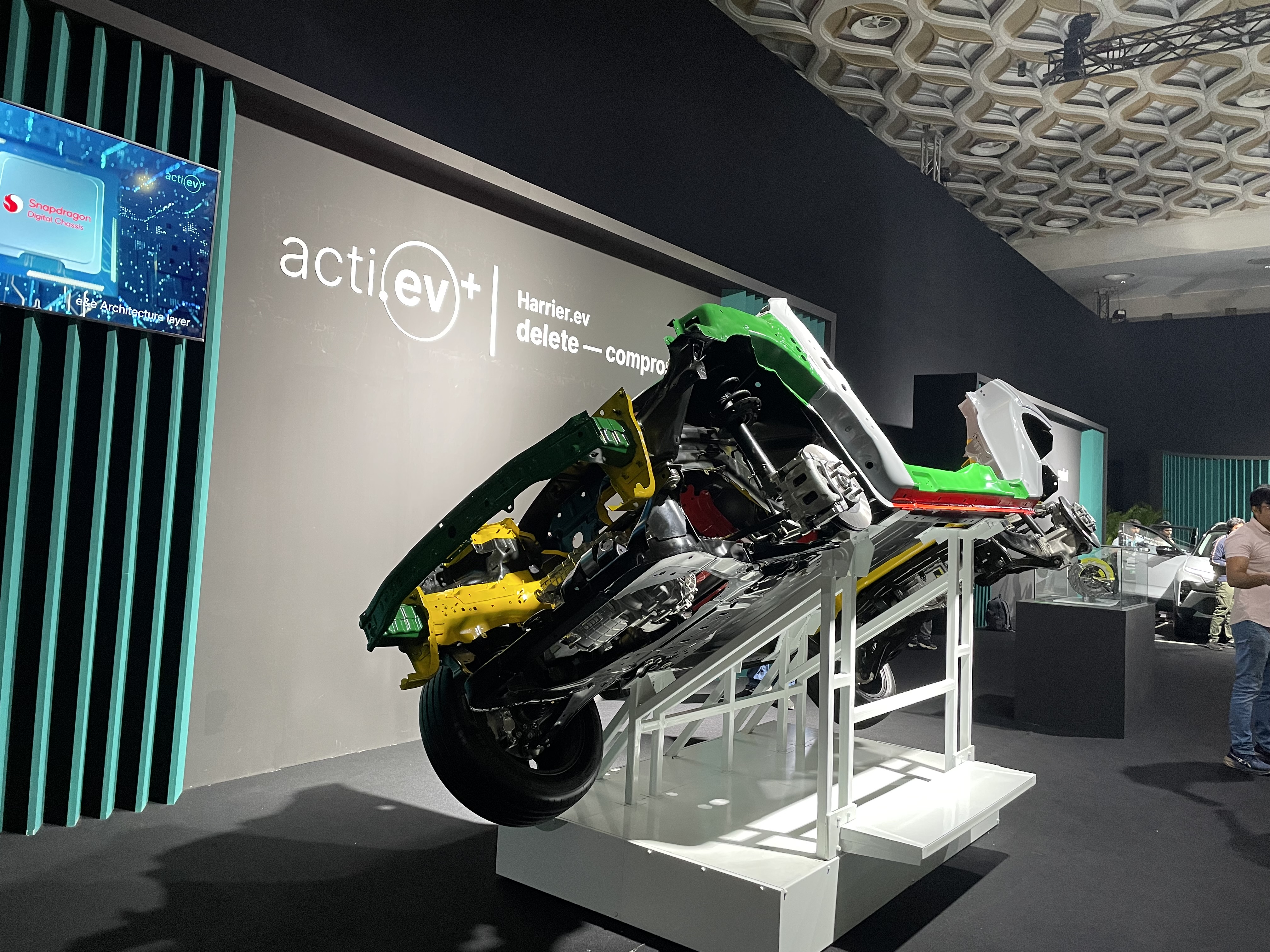
The Tata Harrier EV's foundation is the acti.ev plus architecture, which is the result of a partnership between Tata Motors and a number of other top international suppliers.The car's interior experience provides one notable illustration of this collaboration. The infotainment system in the Harrier EV uses Samsung Neo QLED technology and a 36.9 cm Harman display. The launch event emphasized the audio-visual presentation of this display's integration with Dolby 5.1 sound. Collaborations encompass important automobile systems in addition to entertainment. Continental has also contributed significantly to the development of Harrier EV's autonomous capabilities. The importance of the partnership was highlighted by Prashant Doraswamy, President and CEO of Continental India, who said that they are "furthering autonomous technology to change how drivers interact with the vehicle, for increased comfort and reduction of friction" with things like automated park assist technology. Beyond Key Components: A larger networkTata Motor's cooperative strategy includes a wide range of vendors as well. These athletes contribute to the entire automotive value chain. Businesses like Schaeffler, according to Kulkarni, offer knowledge on powertrain components and systems. In the meantime, Tata AutoComp Systems, as previously stated, continues to be a significant participant in the various components, including thermal management systems, battery pack enclosures, and its application of integrated capabilities in its interior systems. A closer inspection of Tata Motors' supply chain for the Harrier EV and other next-generation EVs reveals additional collaborations with international automotive suppliers like Bosch for electronics and control systems, ZF for chassis and driveline technology, Magna for body and chassis and other automotive systems, and LG Chem for battery cell technology. These collaborations show a close integration of specialized skills. The partnerships with tech companies like Dell Technologies, IBM, Microsoft, TCS, Capgemini, Dassault Systèmes, and Siemens demonstrate the expanding importance of software-defined vehicle architectures in facilitating over-the-air upgrades and more advanced in-car features, in addition to hardware. Shared Benefits: The Need for 'Local for Global'According to Tata Motors, this kind of collaboration benefits all parties involved. These collaborations not only give the automaker access to the world-class skills and technology of its international suppliers, but they also give these suppliers insights into some of the most promising developing markets, such as India. (See also: Tata Motors bets on next-gen tech and design to drive global success) These collaborations motivate providers to adapt their goods to fit local needs and circumstances. This "local for global" strategy is presented as a win-win situation that lowers costs for Tata Motors and enhances its position in the global EV industry. Tata Motors' electric mobility path is based on a comprehensive and intentional cooperative framework. Partnerships are essential, whether they involve Tata Power in building the fundamental charging infrastructure or Harman-Samsung in integrating cutting-edge infotainment systems, as well as collaboration in R&D. Tata Motors is able to create technologically sophisticated EV products that are intended to compete in the global market because of these alliances, which also help to establish Tata Motors as a significant and flexible player in the rapidly evolving field of electric mobility.





.webp)