EVs or Hybrids? Toyota Chairman's Emission Remarks Spark Fresh Debate
9 months ago | 5 Views
In the scientific community, at least, the debate over whether electric vehicles (EVs) are more environmentally friendly than hybrid or internal combustion engine (ICE) vehicles has been resolved for a while. Many studies have found that electric vehicles (EVs) have lower lifetime emissions than petrol or hybrid vehicles. However, the discussion has been rekindled by Akio Toyoda, Chairman of Toyota, necessitating a new look at the facts and circumstances surrounding his statements.
Toyoda's hybrid argument
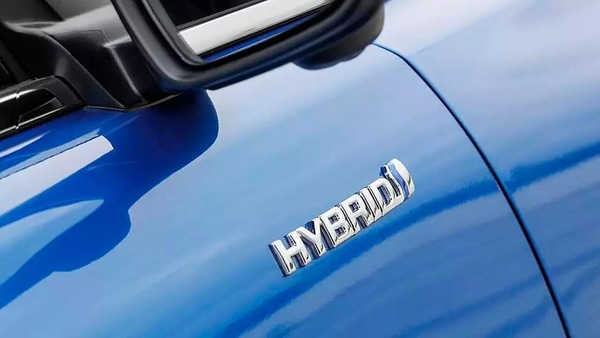
In a recent interview with Automotive News, Akio Toyoda stated that the emissions reduction effect of Toyota's 27 million sold hybrid cars is equivalent to that of nine million battery electric vehicles (BEVs). He emphasized that manufacturing and charging electric vehicles in Japan, where electricity is primarily still produced from fossil fuels, may result in greater emissions than producing and using hybrid vehicles.
Toyoda promoted a "multi-pathway" strategy for decarbonization, claiming that a diverse range of powertrains—such as more efficient gasoline engines, hybrids, hydrogen fuel cells, and electric vehicles—was a more practical way to decrease worldwide emissions.
This multi-technology strategy demonstrates Toyota's traditional reluctance to making a sudden shift to entirely electric power. However, some contend that it will diminish the impetus needed to transition away from oil, especially as renewable energy capacity is rapidly expanding in many areas of the globe.
The discussion over carbon debt
The main focus of Toyoda's argument is the "carbon debt" incurred during the production of electric vehicles, particularly during the extraction and processing of materials such as lithium, cobalt, and nickel, which are utilized in EV batteries. In fact, multiple studies show that at the start gate, electric vehicles produce more emissions than hybrid or internal combustion engine vehicles.
However, over time, electric vehicles mitigate that effect. They have a significantly lesser emissions impact on road usage to begin with, particularly if powered by renewable energy. According to studies, depending on the driving patterns and electrical mix, electric vehicles are cleaner than hybrid or internal combustion engine cars after two to three years of use.
The electricity mix is important.
Toyoda's argument is most persuasive in areas where coal or gas dominate the electricity mix. However, the scenery is changing globally. For example, the share of renewables in India's electricity generation is gradually increasing, and the country is rapidly expanding its wind and solar capacity. As that trend continues, the environmental advantages of electric vehicles will increase.
Additionally, new battery chemistries like lithium iron phosphate (LFP), which utilize fewer rare minerals and have lower manufacturing emissions, are slowly being used in the construction of next-generation electric vehicles. This means that future electric vehicles may have a considerably lower carbon debt at the beginning of their life cycle.
The Function of Plug-in Hybrids and Hybrids
There are several methods to lessen emissions for city driving. Battery-electric vehicles are generally seen as the cleanest long-term choice, but hybrids and plug-in hybrids (PHEVs) continue to be crucial bridging vehicles, especially in markets with few or inconsistent charging options. PHEVs may operate like electric cars on short trips if they are regularly replenished.
However, hybrid vehicles do not eliminate tailpipe emissions and primarily run on petrol. As a result, they are still merely a temporary solution and fundamentally not a stopping point on the road to decarbonized transportation.
A worldwide change in viewpoint
While Toyoda's statements may be true for the specific energy circumstances of each area, we run the risk of losing sight of the wilderness as giant worldwide trends dominate our attention. The factors driving the transition to electric vehicles include the growth of renewable energy production, the improvement of battery technology, and the reduction in cost and increased availability of electric vehicles. Each of these factors offers persuasive justifications for accelerating electrification.
Finally, it's critical to understand that the greenhouse gas emissions from gasoline and diesel vehicles extend beyond those from the tailpipe. The production, processing, and transport of fossil fuels also release greenhouse gases. When comparing vehicle usage, these factors are occasionally left out.
Read Also: Tesla Upgrades Model S & X: Enhanced Range and Sleek New Design Revealed
Get the latest Bollywood entertainment news, trending celebrity news, latest celebrity news, new movie reviews, latest entertainment news, latest Bollywood news, and Bollywood celebrity fashion & style updates!





.webp)