









How AR is Shaping the Future of In-Store and Online Shopping
5 months ago | 5 Views
The days of augmented reality being a trick are long gone; it is now a part of our daily lives. AR is becoming a major driver of engagement in 2025 as purchasing behaviors change, integrating the digital and physical worlds to transform how we browse, try, and purchase.
In retail, what is AR?
The essence of AR in retail is the use of your phone, tablet, or smart glasses to overlay digital components, such as 3D models, costs, or lessons, onto the real world. AR uses computer vision and AI to identify people and items in real-time, customizing and engaging each experience. It's not hard to understand why the AR retail sector is predicted to reach $64.6 billion by 2030.
Main applications and usage scenarios
Virtual try-ons: AR allows customers to try items virtually, regardless of whether they are sunglasses, sneakers, or lipstick. There is no need for a fitting room; it increases confidence and lowers return rates.
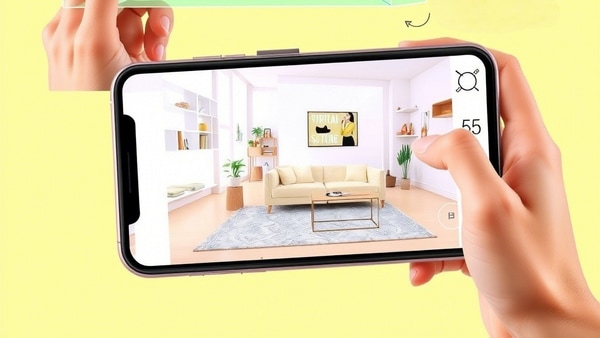
Home furnishings visualization: Before clicking "buy," apps like IKEA Place enable users to see how a sofa or lamp would fit into their living area.
In-store navigation: Large stores are now using AR maps to direct consumers aisle by aisle, increasing convenience and saving time.
Smart mirrors and interactive displays: Digital mirrors in changing rooms provide hands-free outfit suggestions, accessory recommendations, and even allow you to experiment with new looks.
Retailers are turning shop windows into immersive AR stages, attracting foot traffic with captivating graphics and dynamic offers, by using AR storefronts and windows.
Product scanning: Instantly bridge the information gap in real retail establishments by using your phone to scan a product and get its features, customer reviews, videos, and instructions.
the effects on business and consumer behavior
The figures make a convincing case. When compared to static displays, AR-powered displays increase engagement by up to 11x. The use of AR try-ons resulted in an 11% increase in Nike's conversion rate. Additionally, retailers who use AR report a 25% decrease in returns, which is significant in a world where returns cost more than $550 billion every year.
There is increasing consumer demand: 61% favor establishments with AR, and 71% say they would make more purchases if AR were included. It is not surprising that 80% of retailers are investing in AR and VR to improve the customer experience.
Problems and prospects for the future
Although system integration, 3D content production, and expenditures are still challenges, AR is expected to become a mainstay in every shopper's journey, whether online or on the high street, as technology gets more affordable and tools get smarter.
Retail's future is not just digital; it's interactive. And it's already here.
Read Also: Gemini's Meltdown Moments: Why Google's AI Sometimes Suggests Shutting Itself Down
Get the latest Bollywood entertainment news, trending celebrity news, latest celebrity news, new movie reviews, latest entertainment news, latest Bollywood news, and Bollywood celebrity fashion & style updates!
HOW DID YOU LIKE THIS ARTICLE? CHOOSE YOUR EMOTICON!
#