Unmasking Shadows: Jahanara Alam's Brave Stand Against Sexual Harassment in Bangladesh Women's Cricket
4 months ago | 5 Views
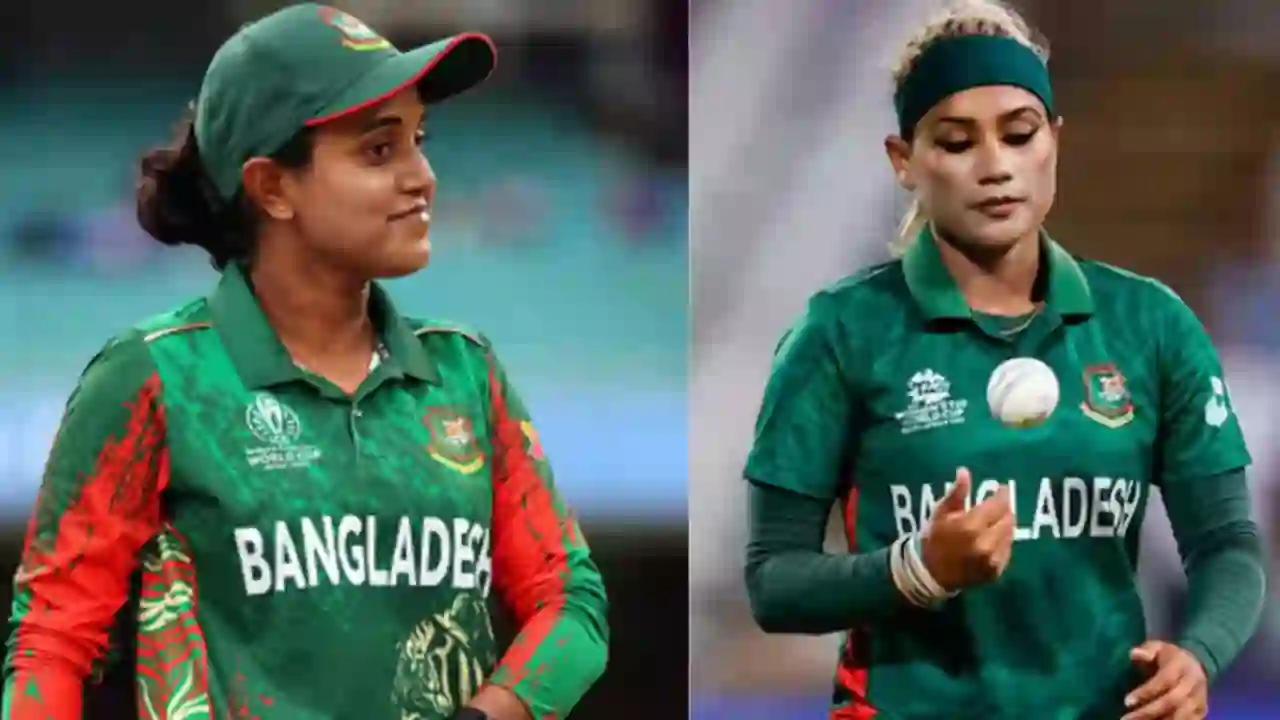
In the high-stakes world of international cricket, where every boundary and wicket can define legacies, the off-field battles often remain hidden in silence. But when Bangladesh's veteran pacer Jahanara Alam broke her quiet, her words echoed like a thunderclap across the cricketing fraternity. Accusing former selector Manjurul Islam of repeated sexual harassment during the 2022 Women's ODI World Cup, Alam has not only spotlighted personal trauma but also exposed what she calls the Bangladesh Cricket Board's (BCB) glaring negligence. This isn't just a story of one athlete's courage—it's a wake-up call for an industry still grappling with power imbalances that silence the vulnerable.
A Trail of Unwanted Advances
Jahanara Alam, the trailblazing fast bowler who has claimed 48 ODI wickets and led her team with grit, found herself ensnared in a nightmare that began well before the global stage. In a raw, emotional interview shared on social media and covered by outlets like Cricbuzz, the 32-year-old detailed a pattern of misconduct stretching over 18 months. At the heart of it was Manjurul Islam, a former Bangladesh pacer turned women's team selector and manager, whom she affectionately but painfully referred to as "Manju Bhai."
Alam recounted chilling incidents from the 2022 World Cup in New Zealand and South Africa, where the pressure of competition mingled with dread. "He would come too close during training, place his hand on my shoulder, and whisper things that made my skin crawl," she shared, her voice steady yet laced with the weight of suppressed pain. One particularly invasive episode involved Manjurul probing into her menstrual cycle in a manner that shattered any semblance of professionalism: "Five days? Does anyone stay like this? When it's over, tell me—I have to look after my side too." Such queries, she emphasized, weren't isolated; they were part of a broader habit of pulling female players into uncomfortable hugs post-match, bypassing handshakes and veering into territory that left the dressing room uneasy.
Worse still, Alam alleged that rejecting these "indecent proposals" came at a steep cost. Manjurul, she claimed, actively sabotaged her opportunities, sidelining her from key selections and stunting her growth in national colors. This wasn't mere oversight—it felt like calculated retaliation, turning her passion into a prison.

Echoes of Neglect from the Top
What amplifies the horror is the institutional indifference Alam faced. She didn't suffer in isolation; she sought help repeatedly, only to be met with shrugs and short-lived assurances. Over those grueling 18 months, Alam approached Nadel Hossain Siraj, head of the BCB's women's wing, multiple times. "He'd patch things up for a day or two, but it always circled back," she lamented. Even a direct plea to BCB CEO Nizamuddin Chowdhury yielded nothing—no formal inquiry, no safeguards, just echoes of inaction.
Alam also pointed fingers at the late Towhid Mahmud, alleging he routed advances through BCB employee Sarfaraz Babu, adding layers to a toxic web that ensnared multiple figures. "I even submitted an 'Observation Letter' to the CEO, detailing it all," she revealed. Yet, the board's response was tepid at best, a far cry from the zero-tolerance policies touted in modern sports governance. This negligence, Alam argued, wasn't accidental—it perpetuated a culture where predators thrived and victims were gaslit into doubt.
Now residing in Australia on an indefinite mental health break—her last match against Ireland in December 2024 feels like a distant memory—Alam has traded the roar of crowds for the quiet pursuit of healing. Her revelations, coming hot on the heels of earlier accusations against team captain Nigar Sultana, paint a fractured picture of Bangladesh women's cricket, where infighting and abuse erode the joy of the game.
Denials, Defiance, and a Flicker of Accountability
Predictably, the accused have pushed back hard. From China, where he's currently based, Manjurul dismissed the claims as "baseless," urging skeptics to poll fellow cricketers on his character: "You can ask others if I was good or bad." Sarfaraz Babu echoed the sentiment, decrying the "made-up stories" and lamenting the drag of a deceased colleague into the fray. Their words, while defensive, do little to address the specifics, leaving a void that Alam's testimony fills with unflinching detail.
Enter the BCB, finally stirred into motion. In a statement that arrived like an afterthought, the board announced a dedicated committee to probe the allegations, with a 15-day deadline for findings. Vice-chairman Shakhawat Hossain called it "a serious matter we must investigate," a nod toward accountability that's welcome but overdue. As inquiries unfold, the onus is on the BCB to deliver not just reports, but reforms—stricter codes of conduct, anonymous reporting channels, and a cultural shift that prioritizes players over protectors.
The Road to Resilience
Jahanara Alam's voice, once muffled by fear, now demands reckoning. Her story isn't unique to Bangladesh; it's a thread in the global tapestry of #MeToo moments in sports, from the WNBA to Indian wrestling. By speaking out, she's not just reclaiming her narrative—she's paving the way for others to do the same. In a sport that celebrates breakthroughs, may this be the one that shatters the silence for good. For Alam, healing might be a solo journey, but the change she sparks could lift an entire generation of women onto safer, stronger pitches.
Get the latest Bollywood entertainment news, trending celebrity news, latest celebrity news, new movie reviews, latest entertainment news, latest Bollywood news, and Bollywood celebrity fashion & style updates!
HOW DID YOU LIKE THIS ARTICLE? CHOOSE YOUR EMOTICON!
# Bangladesh # Women'sCricket



.webp)


.webp)