Ashwin’s Plea vs Gavaskar’s Reality: Did India Push Out Its Test Veterans Too Soon?
3 months ago | 5 Views
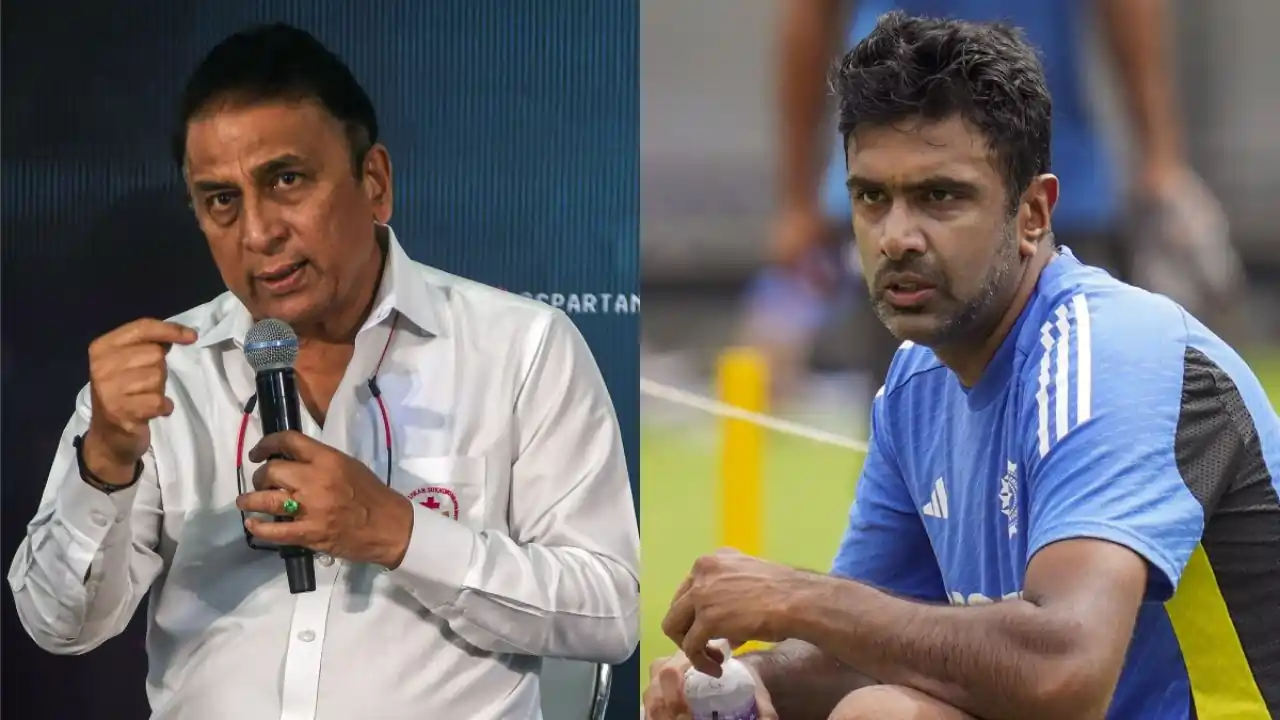
India’s shocking 2-1 home Test series defeat to South Africa in November 2025 has reopened one of cricket’s oldest debates: when is the right time to move on from legends? Ravichandran Ashwin, days after announcing his Test retirement, suggested that he, Virat Kohli and Rohit Sharma could have played a bigger mentoring role to smooth the transition for younger players. Little Master Sunil Gavaskar, however, believes the team management did the right thing by drawing a line. The contrasting views have ignited fresh discussions about India’s red-ball future.
Ashwin’s Parting Words: “We Could Have Guided Them”
In emotional post-retirement interviews, Ashwin made it clear that he never wanted to block anyone’s path, but felt the senior trio still had enough fuel left to act as on-field mentors.
“We have seen transitions handled beautifully in other countries where experienced players stay around for a year or two purely to hand-hold the next generation,” he said.
Ashwin pointed to Australia’s smooth shift after Warner, Smith and others began phasing out, with Pat Cummins and Nathan Lyon still anchoring the side while newcomers settled in.
The Tamil Nadu off-spinner argued that having Kohli’s intensity, Rohit’s calm captaincy brain and his own tactical nous in the dressing room during the ongoing South Africa series could have prevented some of the batting collapses and tactical confusion witnessed in Bengaluru and Mumbai.

Gavaskar’s Counter: “You Can’t Keep Everyone Forever”
Sunil Gavaskar, never one to mince words, pushed back strongly. Speaking on air during the Kanpur Test, the legend said India risked becoming “a retirement home for past stars” if sentiment overruled performance.
“Look at the numbers,” Gavaskar pointed out. “Since 2023, Rohit, Kohli and Ashwin combined have averaged under 32 with the bat and over 35 with the ball in Tests. That’s not the standard India sets. You move on when the time is right, not when it feels comfortable.”
Gavaskar praised captain Shubman Gill and head coach Gautam Gambhir for biting the bullet, arguing that keeping under-performing veterans sometimes delays the inevitable and puts even more pressure on youngsters when the eventual exit happens.
The Middle Ground Nobody Talks About
Both men have a point, and both are partly right.
Ashwin is correct that no Indian batter in the current squad has played more than 25 Tests yet. The sudden vacuum left by three giants retiring within 12 months was always going to hurt. On the other hand, Gavaskar’s data-driven argument holds water; form and fitness have to matter at the highest level.
Perhaps the real issue wasn’t the retirement itself, but the timing and planning. A phased, clearly communicated roadmap (say, Rohit and Kohli playing one more home season purely as senior statesmen while grooming designated successors on the field) might have softened the blow.
Lessons for Indian Cricket
The South Africa loss should serve as a wake-up call. Transitions are painful, but they can be managed better. England blooded youngsters while Stokes and Anderson were still around. Australia kept Cummins, Lyon and Hazlewood through their changeover. India, historically sentimental about its icons, needs a colder, more clinical succession policy without being brutal.
Ashwin has bowled his last over in whites, Rohit and Kohli may soon follow. Whether India regrets hurrying them out or celebrates the bold reset will only be known in two-three years. For now, the Ashwin-Gavaskar debate reminds us that there are no perfect answers in sport — only tough choices and their consequences.
Read Also: Kohli and Rohit Return: India Seeks ODI Redemption Against South Africa
Get the latest Bollywood entertainment news, trending celebrity news, latest celebrity news, new movie reviews, latest entertainment news, latest Bollywood news, and Bollywood celebrity fashion & style updates!
HOW DID YOU LIKE THIS ARTICLE? CHOOSE YOUR EMOTICON!
# SunilGavaskar # Ashwin



.webp)


.webp)