Siddhant Chaturvedi Becomes V. Shantaram: A Grand Biopic on the Father of Indian Parallel Cinema
3 months ago | 5 Views
One of Indian cinema’s greatest pioneers is finally getting the big-screen tribute he deserves. Siddhant Chaturvedi steps into the shoes of the legendary V. Shantaram in an upcoming biopic that promises to chronicle the filmmaker’s extraordinary journey from the black-and-white era to Technicolor revolutions, and from social reform to artistic rebellion.
From a Young Boy in Kolhapur to a Cinema Revolutionary
Born Rajaram Vankudre Shantaram in 1901, the man who would later be called “Annasaheb” began his career as a teenage assistant in a Kolhapur studio. In an industry dominated by mythology and fantasy, Shantaram dared to hold a mirror to society. His 1937 classic Duniya Na Mane (The Unexpected) boldly questioned child marriage and widow remarriage decades before such themes became mainstream. The film was so provocative that it reportedly faced protests, yet went on to become a landmark in Indian realist cinema.
The Birth of Socially Conscious Storytelling
What made Shantaram truly revolutionary was his refusal to separate art from activism. Films like Dr. Kotnis Ki Amar Kahani (1946), Do Aankhen Barah Haath (1957), and Pinjra (1972) blended gripping narratives with powerful social messages. Do Aankhen Barah Haath, which won the Golden Bear at the Berlin and a Silver Bear for its music, told the story of a jailor who reforms six hardened criminals through compassion – a story that still resonates today.
Shantaram was also a technical wizard. He co-founded Prabhat Film Company, introduced playback singing in Indian cinema, built India’s first colour laboratory, and shot the first Indian segment of the world’s first colour film Kisan Kanya (1937), and later created the iconic Rajkamal Kalamandir studio that launched careers of stars like Sandhya, Jayshree Gadkar, and Nutan.
Siddhant Chaturvedi as the Original Rebel with a Camera
Siddhant Chaturvedi, who shot to fame with Gully Boy and later proved his versatility in Gehraiyaan and Kho Gaye Hum Kahan, has called this role “the most challenging and rewarding” of his career. Sources say the actor underwent months of preparation – studying Shantaram’s mannerisms, learning Marathi diction of the 1930s-50s, and even practicing the distinctive way the maestro held his cigarette while discussing a shot.
The film, reportedly directed by a National Award-winning filmmaker (details still under wraps), will span six decades of Shantaram’s life – his stormy exit from Prabhat, his bold experiments with colour and sound, his four marriages, his unwavering commitment to social reform, and his undying love for cinema even in his final years.
Why This Biopic Matters Today
In an era where Indian cinema is again exploring bold, unconventional stories, and socially relevant stories, revisiting V. Shantaram feels like coming full circle. He was the original rebel who proved that commercial success and meaningful cinema can coexist. His belief that “cinema should entertain, educate, and elevate” remains the gold standard for filmmakers even in 2025.
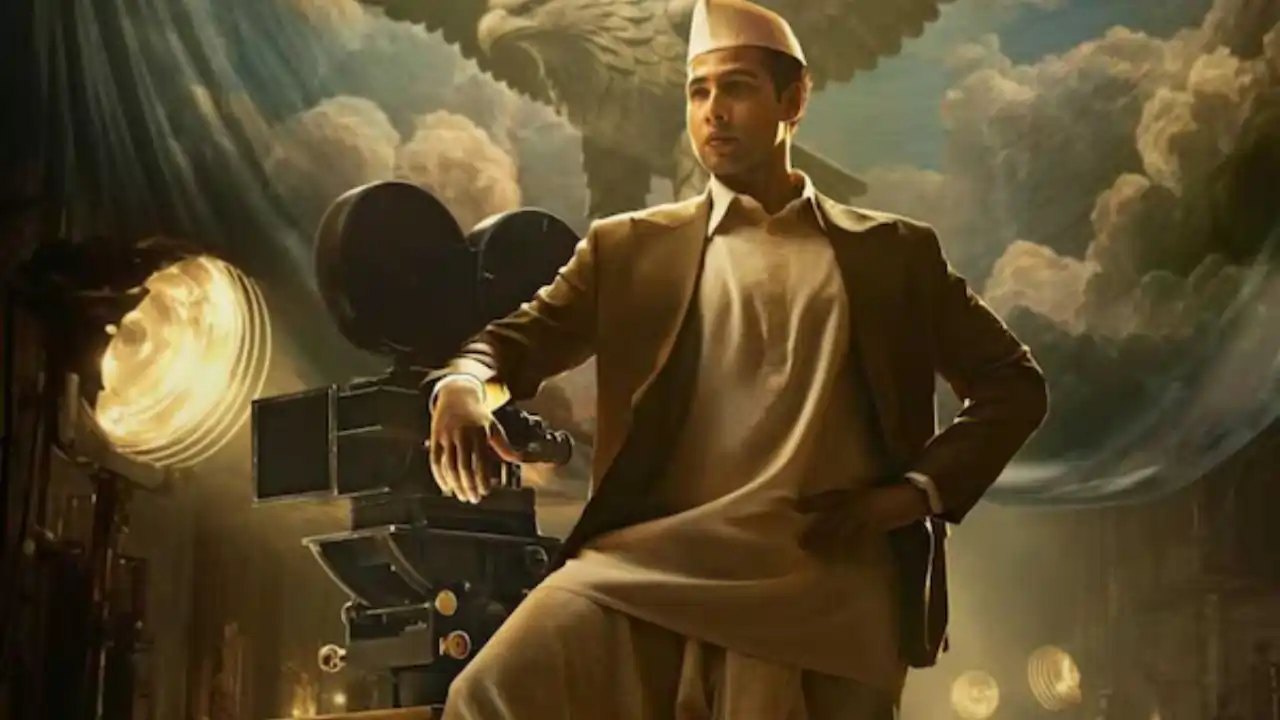
As the first posters dropped – showing Siddhant in a crisp white dhoti-kurta, thick-rimmed glasses, and that famous intense gaze – social media erupted with excitement. Fans are already calling it “the biopic Indian cinema has been waiting for.”
With its mix of grandeur, emotion, and historical significance, this untitled Shantaram biopic could well become the defining cinematic tribute to the man who taught India how to dream in colour – both literally and metaphorically.
Get the latest Bollywood entertainment news, trending celebrity news, latest celebrity news, new movie reviews, latest entertainment news, latest Bollywood news, and Bollywood celebrity fashion & style updates!
HOW DID YOU LIKE THIS ARTICLE? CHOOSE YOUR EMOTICON!
# SiddhantChaturvedi # V.Shantaram

.webp)

.webp)