











Chloé Zhao's Hamnet: A Heart-Wrenching Shakespearean Tale of Love, Loss, and Literary Rebirth

Chloé Zhao's Hamnet: A Heart-Wrenching Shakespearean Tale of Love, Loss, and Literary Rebirth

1 month ago | 5 Views

In the world of cinema, few directors capture the quiet ache of human existence quite like Chloé Zhao. With her latest masterpiece, Hamnet, Zhao delves into the shadowed corners of history, reimagining the Bard's personal tragedy through the lens of his unsung wife. Premiering to rapturous acclaim at the Telluride Film Festival in 2025, this tender drama—scored by the inimitable Max Richter—transforms Maggie O'Farrell's bestselling novel into a visual poem of grief and resilience. Far from a dusty biopic, Hamnet breathes life into the Elizabethan era, focusing on the intimate bonds that forged Shakespeare's enduring legacy.

The Unyielding Spirit of Agnes: A Woman Ahead of Her Time

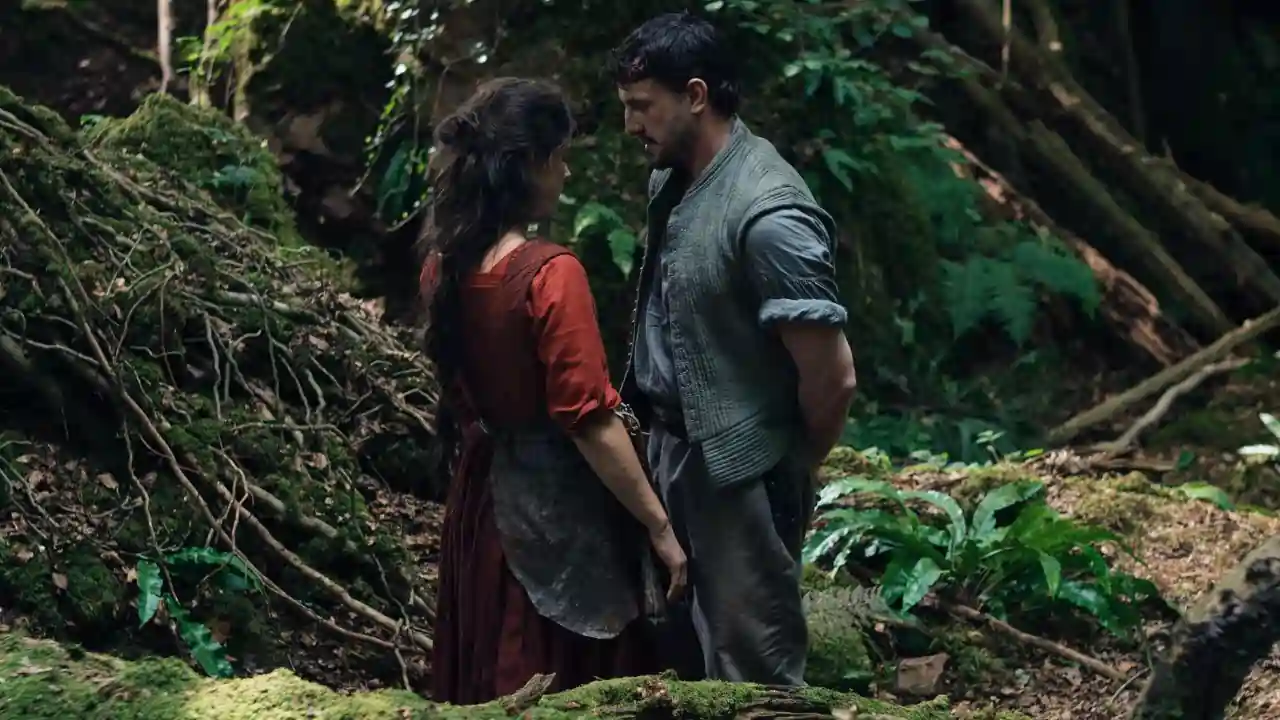
At the film's pulsing heart stands Agnes, portrayed with raw, luminous ferocity by Jessie Buckley. In Zhao's hands, Agnes isn't merely Shakespeare's wife—she's a force of nature, a herbalist and intuitive soul whose connection to the earth mirrors the director's own affinity for vast, unyielding landscapes. Drawing from O'Farrell's richly imagined prose, the story unfolds in the rolling hills of Warwickshire, where Agnes first encounters the young Will (Paul Mescal), a restless storyteller fleeing the confines of his ambitions.

Agnes embodies strength in its most grounded form: not the sword-wielding heroines of folklore, but a woman who tends to her family's fragile ecosystem with a healer's touch. Buckley's performance is a revelation—her eyes flicker with foresight and fury, as if she senses the tempests ahead. She navigates the era's rigid expectations with sly defiance, brewing potions from wild herbs and whispering secrets to the wind. Zhao's direction, fluid and immersive, lingers on these rituals, framing Agnes as the story's true architect. Her resilience isn't flashy; it's the quiet rebellion of a mother who dares to love fiercely in a world that devours the vulnerable.

Shadows of Joy: The Light Before the Storm

The early reels of Hamnet shimmer with domestic bliss, a fleeting idyll that Zhao paints in soft, golden hues. We witness the birth of twins Hamnet and Judith, a miracle that binds Will and Agnes in shared wonder. Mescal's Shakespeare emerges not as the mythic genius, but as a tender, flawed husband—his quill scratching late into the night, his laughter echoing through their thatched home. These moments feel stolen from time, alive with the mundane magic of family: a child's first steps, the scent of bread baking, the hush of bedtime tales.


Yet, Zhao masterfully weaves in omens, subtle threads of foreboding that heighten the intimacy. Richter's score enters here like a gentle undercurrent—piano notes rippling like a distant brook, evoking the innocence soon to be shattered. It's a portrait of love as both anchor and illusion, reminding us how joy often teases the brink of sorrow.

The Unbearable Void: Hamnet's Tragic Departure

Then comes the rupture, swift and merciless. Eleven-year-old Hamnet (Jacobi Jupe, in a heartbreaking debut) succumbs to the pneumonic plague, his small body wracked by fever in a sequence that unfolds with agonizing restraint. Zhao doesn't exploit the horror for shock; instead, she holds the camera steady, letting the family's unraveling unfold in real time. Agnes cradles her son through his final breaths, her whispers a defiant incantation against death's indifference.

This isn't mere tragedy—it's a visceral exploration of parental devastation. Will, away in London chasing theatrical dreams, returns to a home hollowed by loss. The twins' shared name, once a playful echo, now mocks the silence left behind. Richter's composition swells here, strings keening like a lament from the heavens, amplifying the raw physicality of grief: the way it twists the gut, steals breath, erodes words. Critics have called these scenes "excruciatingly raw," and rightly so—Zhao draws from her own empathetic gaze, seen in Nomadland, to honor the unfilmable pain of a child's absence.

Grief's Alchemical Fire: Birthing Hamlet from Heartache

From this abyss rises Hamlet, Shakespeare's soliloquy-scarred elegy, imagined as the direct offspring of Hamnet's ghost. The film's final act shifts to London's Globe Theatre, where Will channels his torment into ink and stagecraft. Mescal's transformation is mesmerizing—a grieving father donning the prince's cloak, his lines blurring the boundary between autobiography and art. Agnes, ever the quiet muse, watches from the wings, her strength now the invisible scaffold supporting his creation.

Hamnet posits grief not as an end, but a forge: it tempers the soul, birthing beauty from breakage. Zhao's adaptation, co-written with O'Farrell, speculates boldly on history's gaps, turning conjecture into catharsis. As the curtain falls on a staged Hamlet, father and phantom son seem to reconcile in the ether, a redemption that leaves audiences breathless.

In Hamnet, Chloé Zhao has crafted a film that's as poetic as its source material—intimate, unflinching, and profoundly healing. With Buckley's powerhouse turn and Richter's soul-stirring score, it stands as a testament to how personal wounds can echo through eternity. As awards buzz builds ahead of its November 2025 release, one thing is clear: this is storytelling at its most alchemical, reminding us that even in Shakespeare's quill, the deepest ink flows from a mother's tears.

Read Also: Pluribus: Vince Gilligan's Mind-Bending Sci-Fi Debut on Apple TV+ Starring Rhea Seehorn

Get the latest Bollywood entertainment news, trending celebrity news, latest celebrity news, new movie reviews, latest entertainment news, latest Bollywood news, and Bollywood celebrity fashion & style updates!

HOW DID YOU LIKE THIS ARTICLE? CHOOSE YOUR EMOTICON!

# ChloeZhao     # Hamnet