Aamir Khan’s Sitaare Zameen Par Skips OTT: A Bold Move to YouTube for ₹100
4 months ago | 5 Views
Introduction: A New Chapter in Film Distribution
Aamir Khan, Bollywood’s trailblazer, has once again redefined the rules of film distribution with his latest venture, Sitaare Zameen Par. In a surprising move, the actor-producer has chosen to bypass traditional Over-The-Top (OTT) platforms like Netflix and Amazon Prime Video, opting instead for a pay-per-view release on YouTube for just ₹100 in India starting August 1, 2025. This decision marks a significant shift in how Indian cinema reaches its audience, prioritizing accessibility and control over revenue streams. This essay explores the motivations behind this unconventional choice, its implications for the film industry, and what it means for viewers and filmmakers alike.
A Strategic Shift: Why Skip OTT Platforms?
Aamir Khan’s decision to forego OTT platforms stems from his commitment to revitalizing the theatrical experience. In recent years, the rapid shift to streaming services has reduced cinema footfalls, with many films hitting OTT platforms within weeks of their theatrical release. Khan believes this trend undermines the big-screen experience, which he considers vital for both audiences and filmmakers. By rejecting lucrative offers—reportedly including a ₹120 crore deal from Amazon Prime Video—Khan is taking a stand to encourage audiences to return to theaters. His strategy is clear: delay the digital release to prioritize cinema halls, ensuring the film’s theatrical run maximizes its potential.
Moreover, Khan’s choice reflects a desire to maintain creative and financial control. OTT platforms often dictate release windows and pricing, limiting filmmakers’ autonomy. By releasing Sitaare Zameen Par on YouTube, Khan retains control over pricing and distribution, setting a precedent for a model that could empower emerging filmmakers. This move aligns with his vision of making cinema accessible to all, particularly those in remote areas with limited access to theaters, leveraging India’s widespread internet penetration and YouTube’s global reach.
The YouTube Pay-Per-View Model: A Game-Changer?
The decision to release Sitaare Zameen Par on YouTube’s pay-per-view model at ₹100 per view is both bold and experimental. Unlike subscription-based OTT platforms, where viewers pay a monthly fee for access to a vast library, pay-per-view requires a one-time payment for a specific film. This model creates a sense of urgency, akin to purchasing a theater ticket, encouraging viewers to make a deliberate choice to watch the film. For just ₹100, a family of four can enjoy the movie at approximately ₹25 per person, making it an affordable alternative to traditional cinema tickets.
YouTube’s vast reach—accessible on most devices and supported by India’s growing digital payment infrastructure—makes it an ideal platform for this experiment. The film will also be available in 38 international markets, including the US, Canada, and the UK, with localized pricing and subtitles in multiple languages. This global accessibility underscores Khan’s mission to democratize cinema, ensuring that audiences worldwide, regardless of geographical or economic barriers, can experience Sitaare Zameen Par.
Implications for Bollywood and Beyond
Khan’s YouTube strategy could reshape Bollywood’s distribution landscape. Traditionally, OTT platforms have been a significant revenue source, with streaming rights often fetching substantial sums. However, as platforms cut back on content spending, producers are seeking alternative revenue streams. Khan’s model, which relies on revenue sharing rather than upfront payments, may inspire mid-budget filmmakers to bypass OTT gatekeepers and directly reach audiences. This approach could be particularly beneficial for independent filmmakers who struggle to secure theatrical releases or streaming deals.
However, the pay-per-view model is not without risks. Industry experts note that it may not be viable for high-budget films reliant on upfront OTT deals for financial recovery. Additionally, the availability of films on YouTube raises concerns about piracy, as HD prints could be illegally distributed once the film is online. Despite these challenges, Khan’s experiment is a step toward redefining how films are monetized and consumed, potentially paving the way for a hybrid model that balances theatrical and digital releases.
A Heartfelt Narrative Meets Innovative Distribution
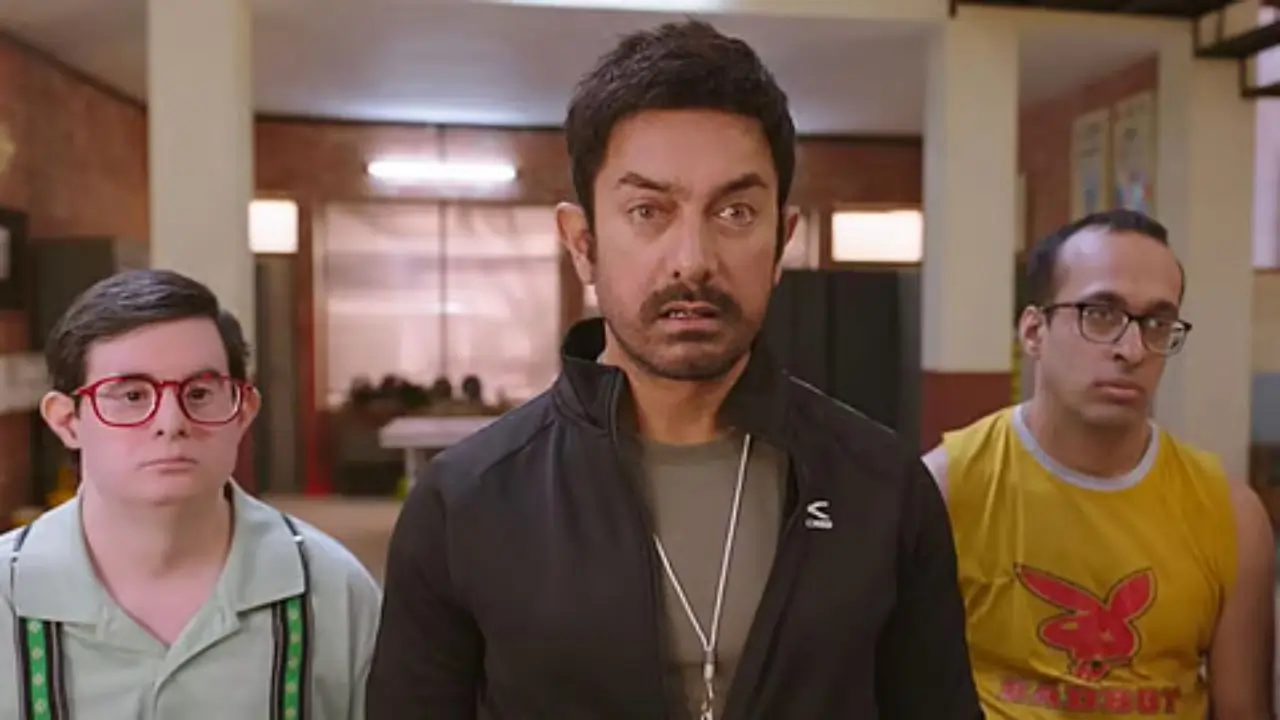
Sitaare Zameen Par, a spiritual sequel to Khan’s 2007 hit Taare Zameen Par, is a sports comedy-drama that follows a basketball coach mentoring neurodivergent players. Directed by RS Prasanna and starring Genelia Deshmukh alongside a talented ensemble of debutant actors, the film has garnered praise for its heartwarming narrative and inclusive message. Its theatrical run, grossing ₹261 crore worldwide, reflects its broad appeal. By choosing YouTube, Khan ensures that this meaningful story reaches audiences who missed the theatrical release, reinforcing his commitment to impactful storytelling.
Conclusion: A Vision for the Future of Cinema
Aamir Khan’s decision to release Sitaare Zameen Par on YouTube for ₹100 is more than a distribution choice—it’s a statement about the future of cinema. By prioritizing theaters and embracing a pay-per-view model, Khan challenges the dominance of OTT platforms and champions accessibility and creative control. While the success of this model remains to be seen, its implications are profound, offering a blueprint for filmmakers to connect directly with audiences. As Sitaare Zameen Par premieres on YouTube, it invites viewers to join a cinematic revolution, one that celebrates storytelling, inclusivity, and the magic of the big screen—whether in theaters or at home.