Dhadak 2 Review: A Bold Yet Flawed Tale of Love and Caste Struggles

Dhadak 2 Review: A Bold Yet Flawed Tale of Love and Caste Struggles

4 months ago | 5 Views

"Dhadak 2," directed by Shazia Iqbal, attempts to weave a poignant narrative around love and caste, starring Siddhant Chaturvedi and Triptii Dimri. As a spiritual successor to the 2018 film "Dhadak" and a remake of the Tamil film "Pariyerum Perumal" (2018), it dives into the gritty realities of caste discrimination in modern India. While the film’s heart is in the right place, its execution falters, leaving its powerful message somewhat diluted. This essay explores the film’s strengths, weaknesses, and its attempt to balance romance with social commentary.

A Promising Premise Rooted in Social Realities

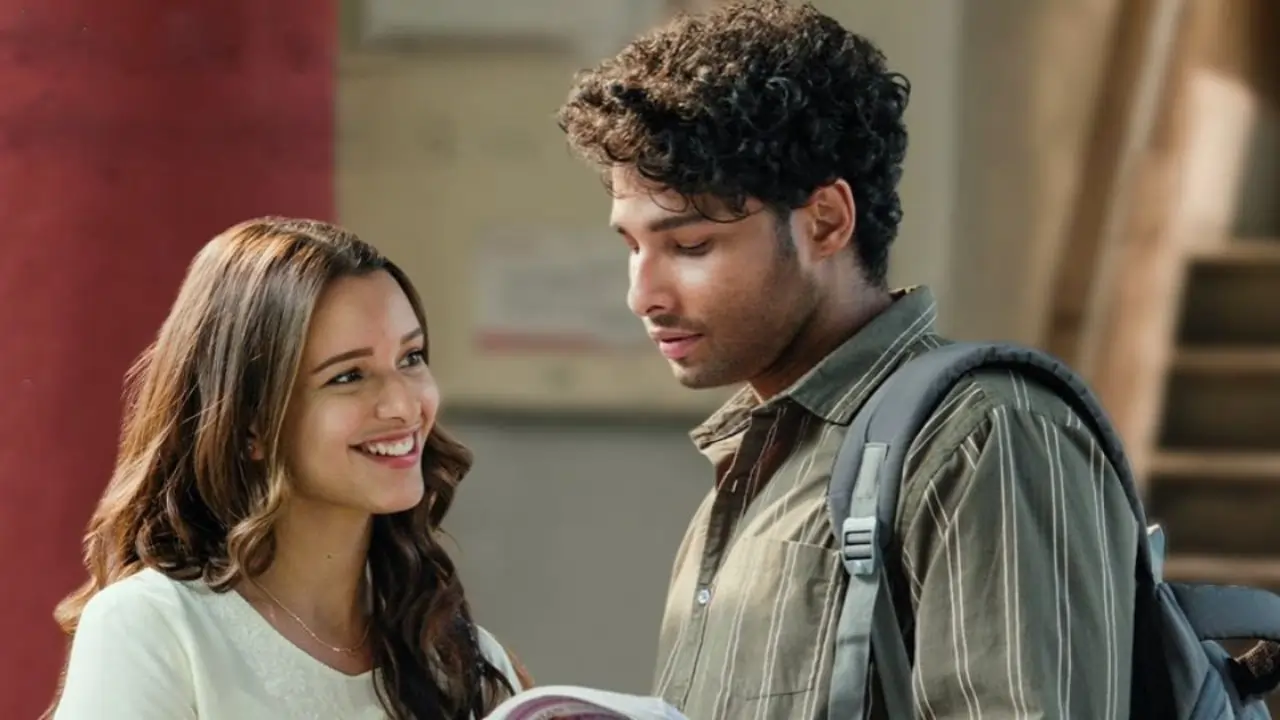
"Dhadak 2" centers on Neelesh (Siddhant Chaturvedi), a Dalit law student, and Vidhi (Triptii Dimri), a privileged Brahmin girl, whose romance blossoms at a National Law University in Bhopal. Their love story unfolds against the backdrop of caste-based prejudice, societal norms, and familial opposition. The film opens with a powerful quote by Thomas Jefferson: "When injustice becomes law, resistance becomes duty," setting the stage for a narrative that aims to confront systemic oppression head-on.


The choice to tackle caste discrimination—a pervasive issue often sidelined in mainstream Bollywood—is commendable. Unlike its predecessor, which was criticized for glossing over caste issues, "Dhadak 2" doesn’t shy away from depicting the harsh realities faced by marginalized communities. Scenes of Neelesh enduring humiliation, from verbal abuse to physical violence, are raw and unsettling, reflecting the persistent caste divide in Indian society.

Stellar Performances Anchor the Narrative

Siddhant Chaturvedi delivers a career-defining performance as Neelesh, embodying a young man burdened by systemic injustice yet driven by resilience. His portrayal is layered—conveying rage, vulnerability, and quiet defiance through subtle gestures and expressive eyes. In moments of silence, Siddhant speaks volumes, making Neelesh’s pain palpable and his fight for dignity deeply moving. Critics have hailed this as his finest work, a testament to his ability to transcend his urban, upper-caste background to portray a marginalized character authentically.

Triptii Dimri, as Vidhi, brings grace and emotional depth to her role. Her transformation from a naive, privileged girl to a fierce ally challenging her family’s casteist beliefs is compelling, though her character feels underwritten at times. While she shines in the climactic scenes, her performance occasionally lacks the intensity seen in her earlier works like "Laila Majnu" or "Bulbul." The supporting cast, including Saurabh Sachdeva as the chilling contract killer Shankar and Vipin Sharma as Neelesh’s father, adds significant weight, with Sachdeva’s menacing presence stealing several scenes.

Where the Message Falters

Despite its bold intentions, "Dhadak 2" struggles to maintain clarity in its storytelling. The first half drags, spending excessive time establishing the romance, which overshadows the film’s core theme of caste discrimination. This imbalance dilutes the narrative’s impact, as the social commentary feels secondary until the second half. Critics note that the film hesitates to deliver the sharp, fearless critique its subject demands, possibly to avoid controversy or censorship. The climax, while emotionally charged, leans toward a conventional resolution that feels rushed and somewhat unrealistic, undermining the raw edge of the story.

The screenplay, adapted by Rahul Badwelkar and Shazia Iqbal, stays faithful to "Pariyerum Perumal" but fails to enhance its emotional depth. Key moments, like Neelesh’s confrontations with casteist abuse, are powerful but fragmented, preventing the tension from building consistently. The use of brownface on Siddhant to signify caste and poverty has drawn criticism for perpetuating stereotypes, detracting from the film’s authenticity.


Visuals and Music: A Mixed Bag

Cinematographer Avinash Arun effectively captures the stark contrasts between Neelesh’s and Vidhi’s worlds, from the cramped slums of Bhim Nagar to the spacious homes of the upper caste. The use of blue, symbolizing the Jai Bhim movement, and portraits of Dr. BR Ambedkar add a thoughtful layer to the visual narrative. However, the pacing issues and overdramatized moments in the second half disrupt the film’s flow.

The soundtrack, featuring songs like “Duniya Alag” and “Bas Ek Dhadak,” is soulful but doesn’t leave a lasting impression compared to the original "Dhadak." While the background score complements the emotional beats, the music feels secondary to the narrative, missing the chance to amplify the film’s impact.

A Step Forward, Yet Incomplete

"Dhadak 2" is a brave attempt to merge romance with social critique, but its muddled execution prevents it from fully realizing its potential. It succeeds in sparking conversations about caste and privilege, a rarity in mainstream Bollywood, but falls short of the raw power of its Tamil predecessor. Siddhant Chaturvedi and Triptii Dimri deliver standout performances, yet the film’s inconsistent pacing, diluted climax, and questionable casting choices hinder its impact.

In a society where caste remains a persistent divider, "Dhadak 2" holds a mirror to uncomfortable truths. It’s a film that stirs but doesn’t always shake, leaving viewers with a mix of admiration for its ambition and frustration at its shortcomings. For those seeking a thought-provoking drama, it’s worth a watch, but don’t expect a flawless masterpiece.

Read Also: Bakaiti Review: A delightful tale of bonding through bickering and banter

Get the latest Bollywood entertainment news, trending celebrity news, latest celebrity news, new movie reviews, latest entertainment news, latest Bollywood news, and Bollywood celebrity fashion & style updates!

HOW DID YOU LIKE THIS ARTICLE? CHOOSE YOUR EMOTICON!

# Dhadak2     # TriptiiDimri     # SiddhantChaturvedi