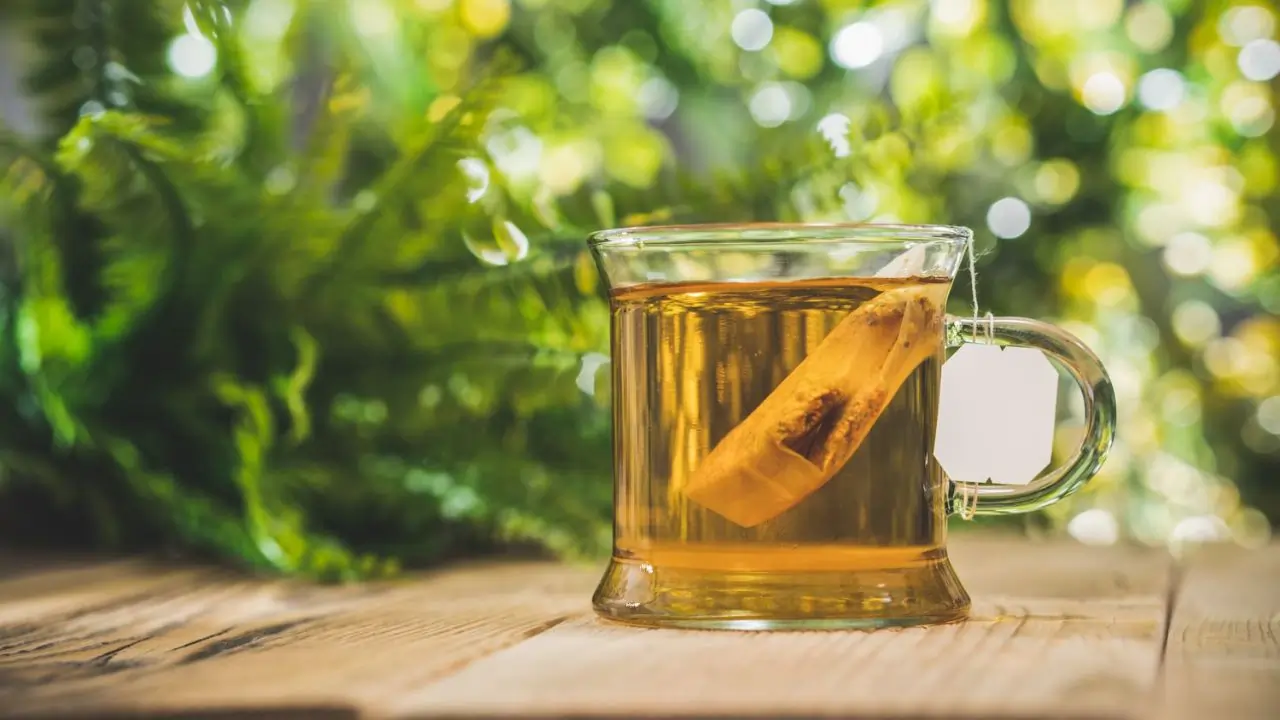










Why Gardeners Should Use Tea Bags in Their Gardens
1 month ago | 5 Views
Gardening enthusiasts are always on the lookout for eco-friendly and cost-effective ways to nurture their plants. One surprising yet highly effective method gaining popularity is repurposing used tea bags in the garden. Far from being mere kitchen waste, used tea bags offer multiple benefits, from enriching soil to repelling pests. Packed with nutrients and natural compounds like tannic acid, they’re a gardener’s secret weapon for healthier, thriving plants. Here’s why you should consider leaving used tea bags in your garden.
A Natural Fertilizer for Nutrient-Rich Soil
Used tea leaves are rich in essential nutrients like nitrogen, potassium, and phosphorus, which are vital for plant growth. When you bury tea bags in the soil or add their contents to compost, they slowly decompose, releasing these nutrients over time. This gradual process ensures plants receive a steady supply of nourishment, promoting stronger roots and vibrant blooms. Unlike synthetic fertilizers, tea bags are organic and free from harmful chemicals, making them a sustainable choice for environmentally conscious gardeners.
Enriching Soil with Tannic Acid
Tea leaves contain tannic acid, a natural compound that can enhance soil quality. Tannic acid helps lower soil pH, creating a slightly acidic environment ideal for acid-loving plants like roses, ferns, and blueberries. It also improves soil structure by increasing its ability to retain water and nutrients. By incorporating used tea bags into your garden beds, you can create a more hospitable environment for plants while reducing the need for chemical soil amendments.
A Natural Pest Repellent
One of the lesser-known benefits of used tea bags is their ability to deter garden pests. The strong aroma of tea leaves can repel insects like ants, spiders, and even some rodents. Scattering used tea leaves around plants or placing whole tea bags near the base of vulnerable crops can create a natural barrier against unwanted visitors. This chemical-free pest control method is safe for both plants and beneficial pollinators like bees, making it a win-win for your garden ecosystem.
Boosting Soil Moisture Retention
Tea leaves are excellent at retaining moisture, which can be a game-changer for gardens in dry climates or during hot summer months. When mixed into the soil, used tea leaves act like tiny sponges, holding water and releasing it slowly to plant roots. This reduces the frequency of watering and helps plants stay hydrated during periods of drought. For gardeners looking to conserve water and maintain consistent soil moisture, tea bags are an easy and effective solution.
How to Use Tea Bags in Your Garden
Incorporating tea bags into your gardening routine is simple. Ensure the tea bags are fully compostable (avoid those with plastic or synthetic materials) and bury them in the soil near plants or add them to your compost pile. You can also open the bags and sprinkle the leaves directly onto the soil or mix them into mulch. For pest control, place used tea bags strategically around plants or steep them in water to create a natural pest-repellent spray.
A Sustainable Choice for Greener Gardening
Using tea bags in the garden is a brilliant way to reduce waste while giving your plants a natural boost. This eco-friendly practice not only saves money but also supports sustainable gardening by recycling kitchen scraps. Whether you’re a seasoned gardener or a beginner, this simple hack can transform your garden into a thriving, healthy oasis.
So, the next time you enjoy a cup of tea, don’t toss the used tea bag. Instead, let it work its magic in your garden, delivering nutrients, repelling pests, and keeping your soil rich and moist. Your plants—and the planet—will thank you.
Get the latest Bollywood entertainment news, trending celebrity news, latest celebrity news, new movie reviews, latest entertainment news, latest Bollywood news, and Bollywood celebrity fashion & style updates!
HOW DID YOU LIKE THIS ARTICLE? CHOOSE YOUR EMOTICON!
# Gardeners # TeaBags