









Understanding Early Periods in Girls: PCOS Risks and Hormonal Health Insights
3 months ago | 5 Views
The Rise of Early Menstruation: A Growing Parental Worry
In recent years, many parents have noticed their daughters starting menstruation much earlier than expected, often between the ages of 9 and 11. This shift has sparked widespread concern about potential links to conditions like polycystic ovary syndrome (PCOS) and overall hormonal balance. While it's natural to feel anxious, health experts emphasize that not every symptom signals a problem. Things like irregular periods, occasional acne breakouts, or even sparse facial hair can simply be part of the body's adjustment during puberty. However, understanding the bigger picture—including what influences these changes and when to act—can help families navigate this phase with confidence.
What Triggers Early Periods? Exploring Lifestyle Factors
Several everyday elements play a role in why girls might experience puberty sooner. Diet is a big one; high consumption of processed foods, sugary drinks, and items loaded with hormones from animal products can accelerate hormonal development. Obesity is another key factor, as excess body fat can lead to higher estrogen levels, prompting earlier menstruation. On the flip side, intense physical activity or undernutrition might delay it, but in our modern world, sedentary lifestyles and easy access to calorie-dense snacks often tip the scales toward precocious puberty.
Environmental influences shouldn't be overlooked either. Exposure to endocrine-disrupting chemicals in plastics, pesticides, and even some cosmetics can mimic hormones and disrupt natural timelines. Stress from school, family dynamics, or social media pressure also contributes, as chronic anxiety can throw off the body's regulatory systems. By promoting balanced nutrition, regular exercise, and minimizing toxin exposure, parents can potentially support healthier puberty patterns.
Potential Risks: From Hormonal Imbalances to PCOS Connections
Early menstruation isn't just a milestone— it can carry long-term implications. Girls who start periods young may face heightened risks for conditions like insulin resistance, which often ties into PCOS, a disorder affecting ovarian function and leading to cysts, fertility issues, and metabolic problems later in life. Hormonal shifts might also increase the chances of mood swings, anxiety, or even early bone density loss if not monitored.
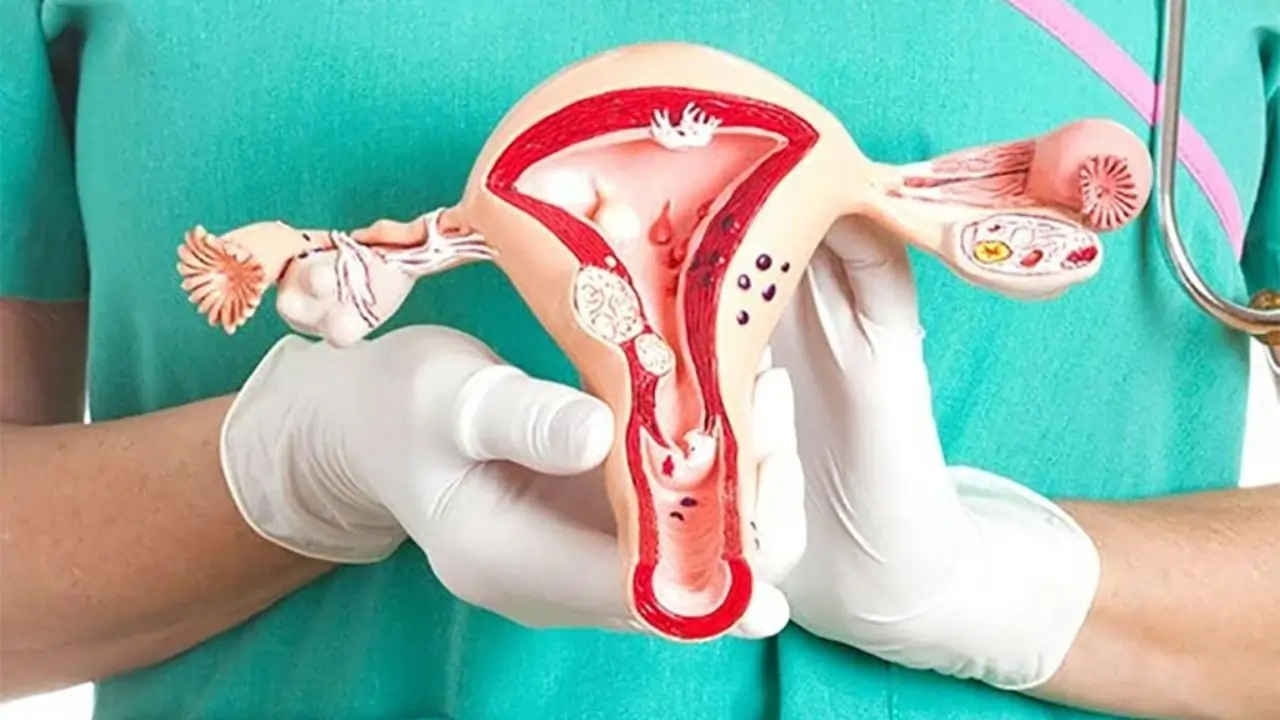
PCOS, in particular, deserves attention. Characterized by irregular cycles, excess androgen hormones, and ovarian irregularities, it affects up to 10% of women but can show subtle signs in preteens. Untreated, it raises the risk for type 2 diabetes, heart disease, and endometrial issues. Early periods alone don't guarantee PCOS, but combined with family history or symptoms like persistent acne and weight gain, they warrant vigilance.
Diagnosing PCOS and Early Puberty: What Parents Need to Know
Spotting PCOS early involves a mix of observation and medical evaluation. Doctors typically start with a detailed history, tracking cycle patterns, growth charts, and any family predispositions. Blood tests check hormone levels, like testosterone and insulin, while ultrasounds can reveal ovarian cysts. Bone age X-rays might assess if puberty is advancing too quickly.
It's crucial to differentiate normal variations from red flags. For instance, cycles that remain irregular beyond two years post-menarche or severe symptoms like heavy bleeding could indicate underlying issues. Pediatric endocrinologists are key specialists here, offering tailored guidance without jumping to conclusions.
Building Awareness: Empowering Families for Better Outcomes
Raising awareness about early periods and PCOS starts at home and extends to schools and communities. Open conversations normalize these changes, reducing stigma and encouraging girls to speak up about discomfort. Educational programs can teach about healthy habits, while routine check-ups ensure timely interventions.
Parents should watch for persistent irregularities but avoid overreacting to typical puberty quirks. Consulting a healthcare provider early can provide reassurance or catch issues promptly. Ultimately, fostering a supportive environment helps girls thrive, turning potential concerns into opportunities for lifelong hormonal health.
Read Also: Unlock Youthful Skin: Vinod Channa's Top 3 Eating Habits to Slow Down Aging
Get the latest Bollywood entertainment news, trending celebrity news, latest celebrity news, new movie reviews, latest entertainment news, latest Bollywood news, and Bollywood celebrity fashion & style updates!
HOW DID YOU LIKE THIS ARTICLE? CHOOSE YOUR EMOTICON!
# Periods # Risks # Hormonal