Oats vs Granola: Which Breakfast Is Better for Weight Loss and Lasting Energy?
4 months ago | 5 Views
Understanding the Basics: Oats and Granola
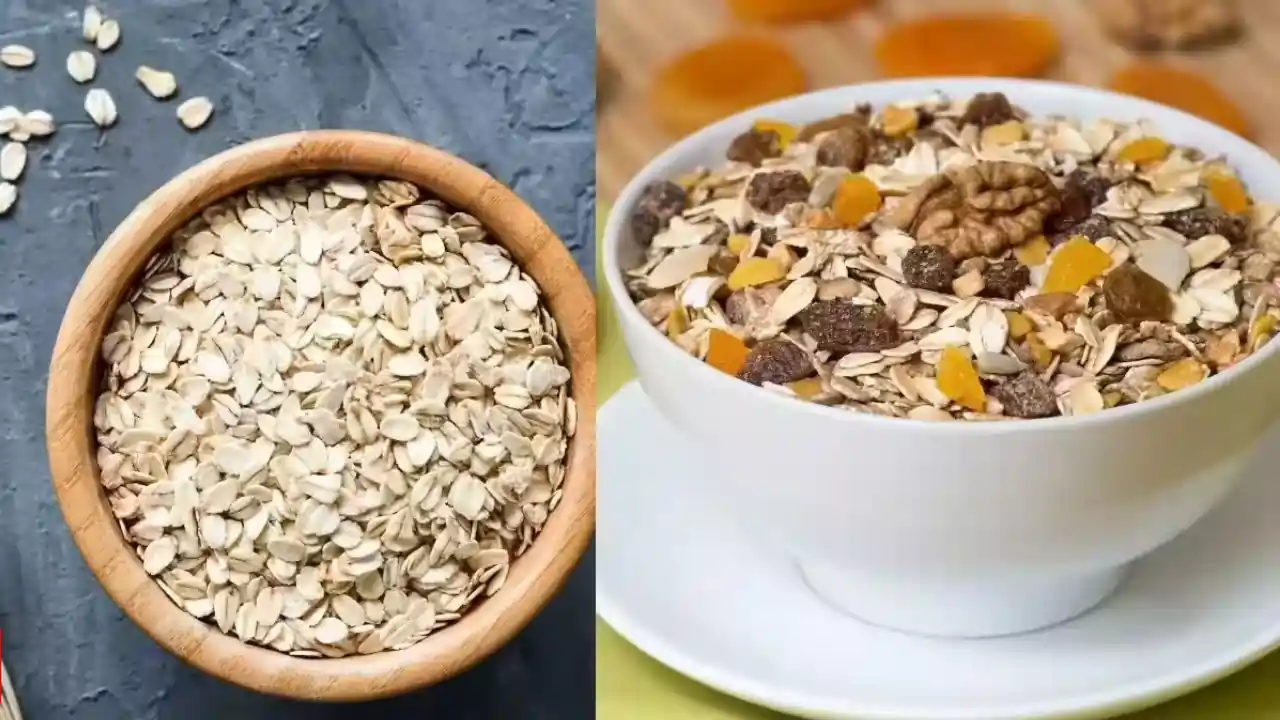
Oats and granola both appear in most healthy breakfast lists, but their nutritional profiles vary significantly. Oats are a single-ingredient whole grain, while granola is a mix often made from oats, nuts, seeds, sweeteners, and oil. This difference in preparation influences their calories, sugar levels, and overall health value for those managing weight or seeking balanced energy through the day.
Nutritional Breakdown: Calories and Sugar
A key distinction between oats and granola lies in calorie density. Plain rolled or steel-cut oats are naturally low in fat and sugar, providing approximately 70 to 80 calories per 20 grams (around half a small bowl). In contrast, granola can range between 120 to 150 calories for the same portion, primarily due to added oils, honey, or syrups used to bind and flavor the mix.
Sugar content is another dividing factor. Oats contain almost no added sugar, while many store-bought or flavored granolas can carry 8 to 12 grams of sugar per serving. This added sweetness boosts immediate energy but can lead to mid-morning crashes or increased cravings, making it less ideal for weight control plans.

Fibre and Satiety: Oats Take the Lead
Oats stand out for their soluble fibre content, mainly beta-glucan, known for stabilizing blood sugar and lowering LDL cholesterol. This fibre also slows digestion, extending feelings of fullness and helping reduce overall calorie intake throughout the day. A breakfast bowl of oats topped with fruits or nuts increases satiety without excessive calories.
Granola, while also containing oats and nuts, becomes more calorie-dense because it often combines ingredients roasted with added fats. Though it does offer some fibre and protein, the extra energy from sugar and oil can offset those benefits when eaten frequently or in large portions.
Energy and Nutrition Balance
For those seeking sustained energy without overloading on calories, plain oats offer a clearer advantage. Their slow-releasing carbohydrates provide steady energy levels suitable for morning workouts or long work hours. Granola, on the other hand, works better as an energy-boosting snack or a topping for yogurt rather than a full meal, given its higher calorie count.
That said, not all granolas are unhealthy. Homemade or low-sugar varieties prepared with unsweetened oats, seeds, and a touch of natural sweetener like dates or honey can deliver balanced nutrition. Controlling portion size is key—two tablespoons can add crunch and nutrients to breakfast without packing extra calories.
The Healthier Pick for Weight Loss
When comparing the two, oats emerge as the smarter option for weight management. They are versatile, easy to prepare, and can be enriched naturally with cinnamon, fruits, or flaxseeds. Regular oat consumption supports digestive health while aligning with calorie-controlled diets. Granola can remain in rotation as an occasional treat or a nutrient-rich topper, ideally homemade to keep sugar and fat in check.
Read Also: How to Lose Fat Without Cutting Carbs: A Sustainable Approach to Weight Loss
Get the latest Bollywood entertainment news, trending celebrity news, latest celebrity news, new movie reviews, latest entertainment news, latest Bollywood news, and Bollywood celebrity fashion & style updates!
HOW DID YOU LIKE THIS ARTICLE? CHOOSE YOUR EMOTICON!
# Oats # Granola # WeightLoss # Breakfast



.webp)