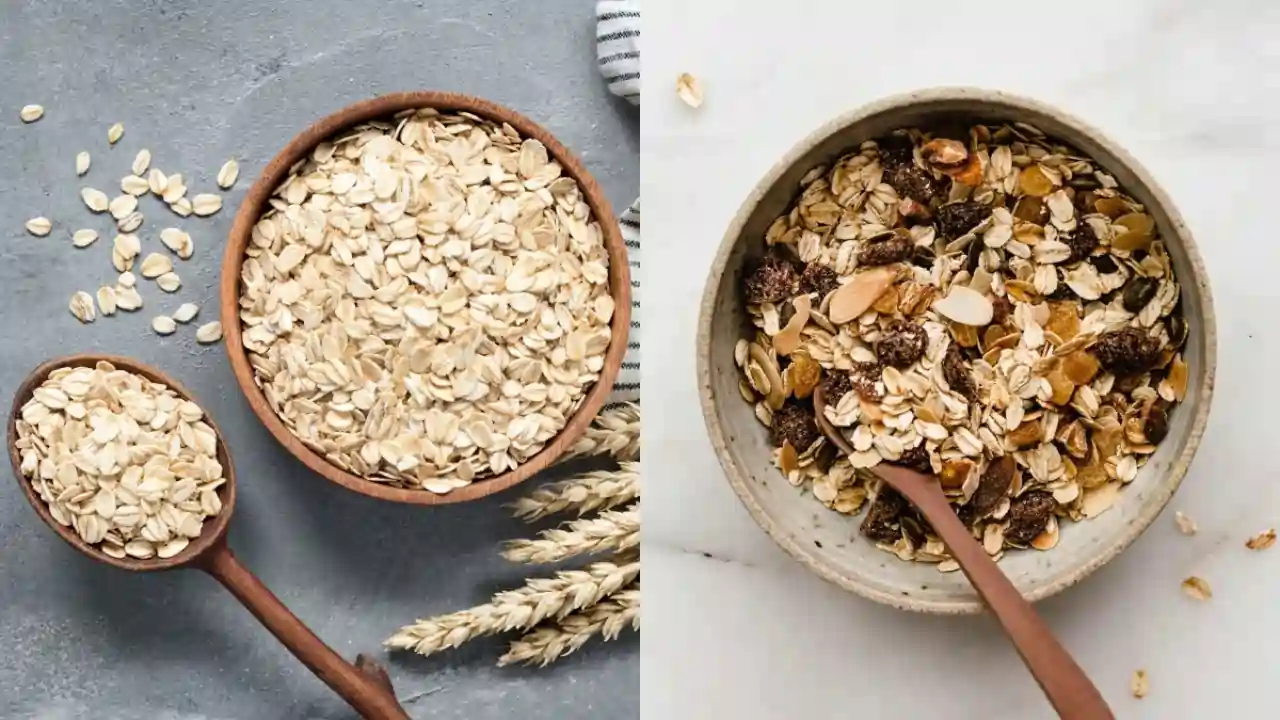










Oatmeal vs. Muesli: Which Breakfast Wins for Gut Health and Weight Loss?

Oatmeal vs. Muesli: Which Breakfast Wins for Gut Health and Weight Loss?

8 days ago | 5 Views

Starting your day with the right breakfast can transform both your digestion and your waistline. Two popular whole-grain options — creamy oatmeal and crunchy muesli — often top the list for healthy eaters. But which one truly supports better gut health and sustainable weight loss? Let’s break it down calorie by calorie, nutrient by nutrient, and digestion factor by digestion factor.

Calories and Portion Reality

A standard ½-cup dry serving of rolled oats contains about 150–160 calories, while the same volume of traditional muesli (oats + nuts + seeds + dried fruit) can climb to 200–250 calories or more, depending on the brand and add-ins.

Even though muesli feels “light” because of its texture, the calorie density from nuts and dried fruit adds up fast. If weight loss is your primary goal and you tend to eat by volume rather than weighing, oatmeal usually gives you more food for fewer calories.

Protein Power: Who Comes Out on Top?

Plain oats deliver around 5–6 g of protein per ½-cup dry serving. Classic muesli, thanks to almonds, pumpkin seeds, and sometimes added chia or flax, often hits 8–10 g in the same portion.

Higher protein helps you stay full longer and preserves muscle while losing fat. Point goes to muesli — unless you boost your oatmeal with milk, Greek yogurt, or a scoop of protein powder.


Fiber Face-Off and Gut Health Impact

Both are fiber superstars, but they behave differently in your digestive tract.

  • Oatmeal is rich in beta-glucan, a soluble fiber that forms a gel in your stomach, slows digestion, feeds beneficial gut bacteria, and has been clinically shown to lower cholesterol and stabilize blood sugar.
  • Muesli combines soluble fiber from oats with plenty of insoluble fiber from nuts, seeds, and sometimes bran. Insoluble fiber adds bulk and speeds transit time, which is excellent for regularity and preventing constipation.

Winner for gut microbiome diversity and blood-sugar control? Oatmeal’s beta-glucan edges ahead. Winner for keeping you regular and feeling “cleansed”? Muesli’s higher insoluble fiber content.

Blood Sugar and Satiety: The Weight-Loss Angle

Because of that soothing beta-glucan gel, oatmeal tends to have a lower glycemic impact than many muesli recipes loaded with raisins, dates, or sweetened dried fruit. Lower, steadier blood sugar = fewer cravings later in the morning.

That said, a low-sugar, nut-heavy muesli soaked overnight (Bircher-style) can rival oatmeal’s gentle effect on blood glucose.

The Verdict: Choose Based on Your Body’s Needs

  • Pick oatmeal if you want maximum fullness from fewer calories, superior blood-sugar control, and proven prebiotic benefits for your gut microbes.
  • Reach for muesli if you prioritize higher protein, love texture variety, need extra healthy fats, and struggle with sluggish digestion.

The ultimate winner? The one you’ll actually enjoy and stick with. Dress either up with fresh berries, a spoonful of nuts or seeds, and a dollop of Greek yogurt, and you’ll have a gut-loving, waistline-friendly breakfast that keeps you energized till lunch.

Read Also: 5 Simple Winter Recipes to Boost Mood, Energy, and Immunity Naturally

Get the latest Bollywood entertainment news, trending celebrity news, latest celebrity news, new movie reviews, latest entertainment news, latest Bollywood news, and Bollywood celebrity fashion & style updates!

HOW DID YOU LIKE THIS ARTICLE? CHOOSE YOUR EMOTICON!

# Oatmeal     # Muesli     # WeightLoss