








Act Fast in Cardiac Arrest to Save Lives

Act Fast in Cardiac Arrest to Save Lives

2 months ago | 5 Views

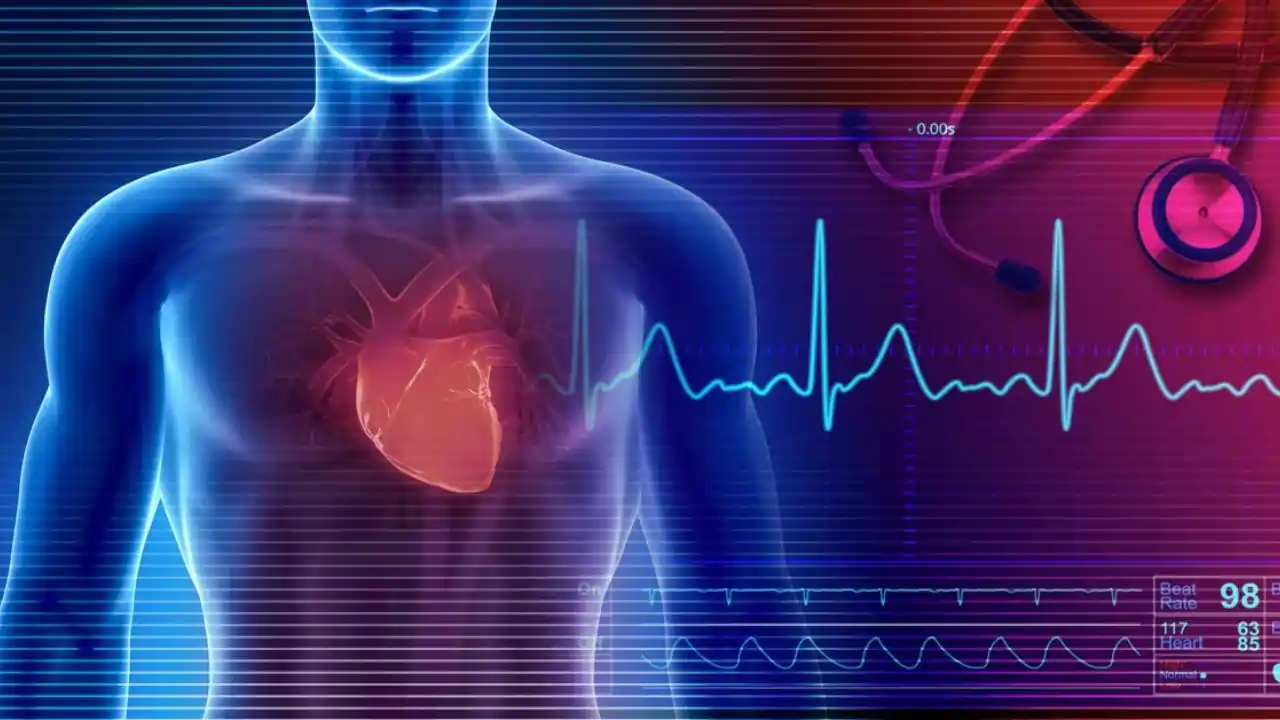
When someone suffers a cardiac arrest, every second counts. This life-threatening emergency occurs when the heart suddenly stops beating, halting blood flow to vital organs. Acting quickly and decisively can make the difference between life and death. By calling for help, performing chest compressions, and using an automated external defibrillator (AED) if available, you can significantly increase the chances of survival, even if your CPR skills aren’t perfect.

Understanding Cardiac Arrest

Cardiac arrest is not a heart attack, though the two are often confused. A heart attack involves blocked blood flow to the heart, while cardiac arrest is an electrical malfunction that stops the heart from pumping blood. Without immediate intervention, the brain and other organs can suffer irreversible damage within minutes. Recognizing the signs—sudden collapse, unresponsiveness, or abnormal breathing—is critical to taking swift action.

Step 1: Call for Help

The first step in responding to a cardiac arrest is to call emergency services. Dial your local emergency number (like 911 in the United States) immediately or ask someone nearby to do so. Provide clear details about the location and the situation. Speed is essential, as professional medical help can take time to arrive, and every moment without oxygen reduces survival chances.


Step 2: Start Chest Compressions

If the person is unresponsive and not breathing normally, begin chest compressions right away. Place the heel of one hand at the center of the chest, with the other hand on top, and press down hard and fast—about 100 to 120 compressions per minute (think of the beat of “Stayin’ Alive” by the Bee Gees). Aim for a depth of about 2 to 2.4 inches in adults, allowing the chest to fully recoil between compressions. Don’t worry if you’re not trained; imperfect CPR is better than none. It keeps blood circulating, buying time until help arrives.

Step 3: Use an AED if Available

If an AED is nearby, use it as soon as possible. These portable devices are designed to restore a normal heart rhythm by delivering an electric shock. AEDs are user-friendly, with voice prompts guiding you through the process. Turn the device on, attach the pads to the person’s chest as directed, and follow the instructions. If no AED is available, continue CPR until emergency responders take over.

Why Imperfect CPR Matters

You don’t need to be a medical professional to make a difference. Even if your technique isn’t flawless, chest compressions help maintain blood flow to the brain and heart, significantly improving survival odds. Studies show that bystander CPR can double or triple a person’s chance of survival. Hesitation or fear of doing it wrong shouldn’t stop you—any action is better than inaction.

Be Prepared, Save a Life

Cardiac arrest can strike anyone, anywhere. Learning basic CPR through a certified course can boost your confidence and effectiveness. Many communities offer free or low-cost training, and AEDs are increasingly available in public spaces like malls, schools, and airports. By acting fast, calling for help, performing CPR, and using an AED, you can be the critical link in the chain of survival.

Read Also: How Sleep and Stress Impact Your Memory and Brain Health

Get the latest Bollywood entertainment news, trending celebrity news, latest celebrity news, new movie reviews, latest entertainment news, latest Bollywood news, and Bollywood celebrity fashion & style updates!

HOW DID YOU LIKE THIS ARTICLE? CHOOSE YOUR EMOTICON!

# CardiacArrest     # Hearth