Param Sundari Controversy: Janhvi Kapoor's Malayalam Diction Under Fire Ahead of Release

Param Sundari Controversy: Janhvi Kapoor's Malayalam Diction Under Fire Ahead of Release

3 months ago | 5 Views

Introduction: A Storm Before the Premiere

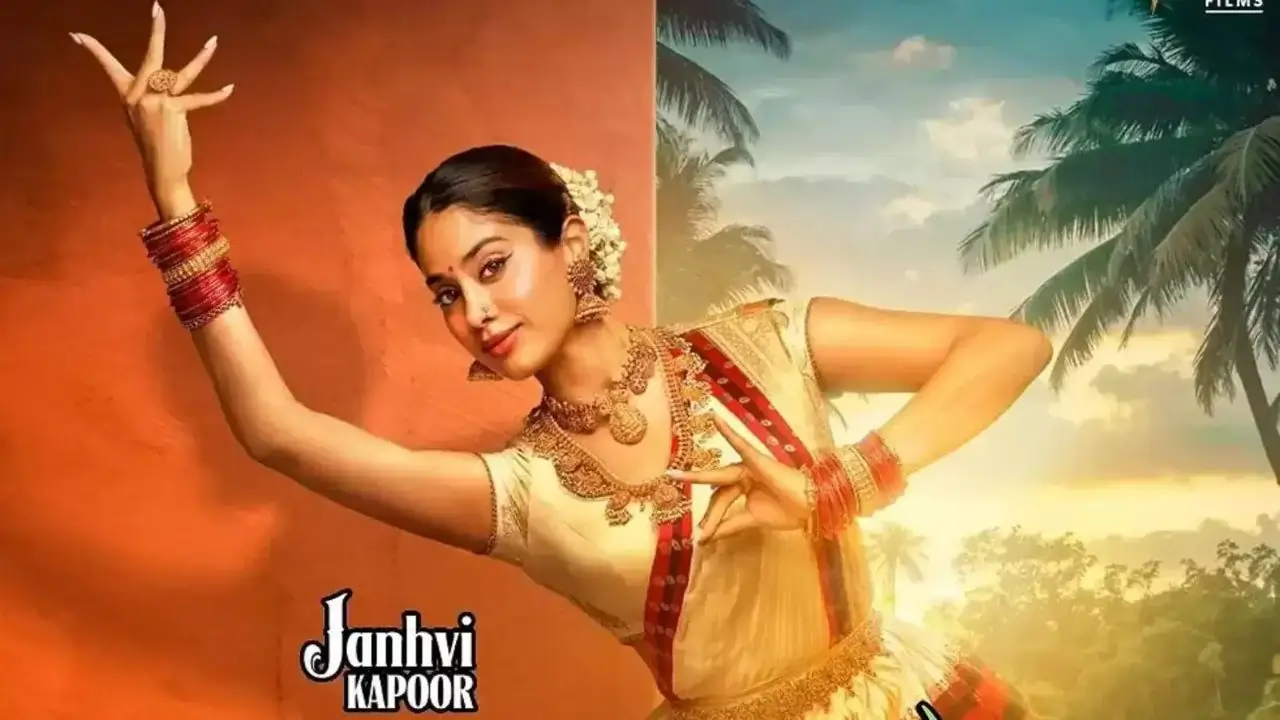
As the release date of Param Sundari approaches on August 29, 2025, the film has found itself at the center of a heated online debate. Starring Janhvi Kapoor and Sidharth Malhotra, this romantic drama promises a cross-cultural love story, but it's Kapoor's portrayal of a character with South Indian roots that has drawn sharp criticism from Malayali influencers and artists. What started as a trailer drop has escalated into discussions about cultural accuracy, casting choices, and the authenticity of language in Bollywood productions. With voices like Divya Nair and Pavithra Menon leading the charge, the controversy highlights deeper issues in how regional identities are represented on screen.

The Spark: Trailer Reactions and Initial Backlash

The trouble began shortly after the Param Sundari trailer was released, showcasing Kapoor in a role that blends Tamilian and Malayali elements. Viewers quickly noticed what they perceived as flaws in her dialogue delivery, particularly in Malayalam-infused lines. Social media buzzed with clips dissected frame by frame, pointing out mispronunciations that altered meanings or sounded unnatural. This wasn't just casual nitpicking; it tapped into a growing frustration among regional audiences who feel Bollywood often glosses over linguistic nuances for star power. The film's attempt to portray a "half-Tamilian, half-Malayali" character, as described by Kapoor herself, aimed for diversity but ended up fueling accusations of superficiality.

Influencers from Kerala were among the first to voice their discontent, arguing that such portrayals risk caricaturing their culture. The backlash gained momentum when videos critiquing the trailer went viral, only to face takedowns, adding a layer of intrigue about censorship and industry influence.

Divya Nair's Critique: Calling Out "Unclear and Incorrect" Delivery

Malayali influencer Divya Nair didn't hold back in her assessment of Kapoor's performance. In a widely shared video, Nair highlighted specific instances where the actress's diction fell short, describing it as "unclear and incorrect." She zeroed in on the use of the word "Theykkapetta," a slang term meaning "dumped" in a romantic context, mocking how it was delivered in a way that stripped it of its authentic flavor. Nair questioned why Bollywood couldn't opt for actors more familiar with the language, suggesting names like Nayanthara or Samantha Ruth Prabhu as better fits.

Nair's comments resonated because they went beyond mere pronunciation—they touched on the essence of cultural representation. She argued that mishandling regional slang not only confuses audiences but also perpetuates stereotypes. Unfortunately, her video faced a copyright strike, leading to its removal from platforms like Instagram, which only amplified the conversation about free speech in film criticism.


Pavithra Menon's Perspective: Questioning Casting Choices

Echoing Nair's sentiments, singer-actor Pavithra Menon took to social media to challenge the very foundation of Kapoor's casting. In a now-deleted post that initially garnered massive views, Menon asked why a Malayali actress wasn't considered for the role, emphasizing that Kerala has no shortage of talented performers. "Are Malayalis less talented?" she queried, pointing out Kapoor's "heavy accent" as a distraction that undermined the character's authenticity.

Menon's video, which mocked elements of the trailer, was also removed by Instagram citing copyright issues, prompting her to sarcastically wish everyone a "Happy Independence Day to those who have a voice." This incident sparked solidarity among other Malayali creators, who accused the film of cultural misrepresentation and called for more inclusive casting practices.

Broader Implications: Language Authenticity in Bollywood

This controversy isn't isolated; it reflects a recurring pattern in Indian cinema where non-native actors are cast in roles requiring regional specificity, often leading to debates on authenticity. Critics argue that while star-driven films boost box office appeal, they can dilute cultural depth. In Param Sundari, the choice of Kapoor—daughter of the late Sridevi, who herself navigated similar cross-cultural roles—adds a nepotism angle to the discussion.

Kapoor addressed the backlash by clarifying her character's hybrid background, stating, "Of course, I'm not a Malayali," and defending her preparation. Yet, this hasn't quelled the uproar, with many seeing it as a missed opportunity for genuine representation. The takedowns of critical videos have also raised questions about how production houses handle dissent, potentially stifling open dialogue.

Conclusion: Lessons for Future Films

As Param Sundari gears up for release, the backlash serves as a reminder that audiences today demand more than glamour—they seek respect for cultural intricacies. While the film might still succeed commercially, the debate ignited by Nair and Menon could push Bollywood toward better research, coaching, and inclusive casting. In an era of global streaming, authenticity isn't just a buzzword; it's essential for connecting with diverse viewers. Whether this controversy affects the movie's reception remains to be seen, but it undoubtedly underscores the power of social media in shaping cinematic narratives.

Read Also: The Big Heart of a Small Film: Brahmanda Celebrates Oggu Artistry

Get the latest Bollywood entertainment news, trending celebrity news, latest celebrity news, new movie reviews, latest entertainment news, latest Bollywood news, and Bollywood celebrity fashion & style updates!

HOW DID YOU LIKE THIS ARTICLE? CHOOSE YOUR EMOTICON!

# ParamSundari     # SidharthMalhotra     # JanhviKapoor