Controversy Over Bollywood's Filming in Mumbai's Historic Afghan Church: Art vs. Sacred Spaces

Controversy Over Bollywood's Filming in Mumbai's Historic Afghan Church: Art vs. Sacred Spaces

5 months ago | 5 Views

Introduction: A Clash Between Heritage and Entertainment

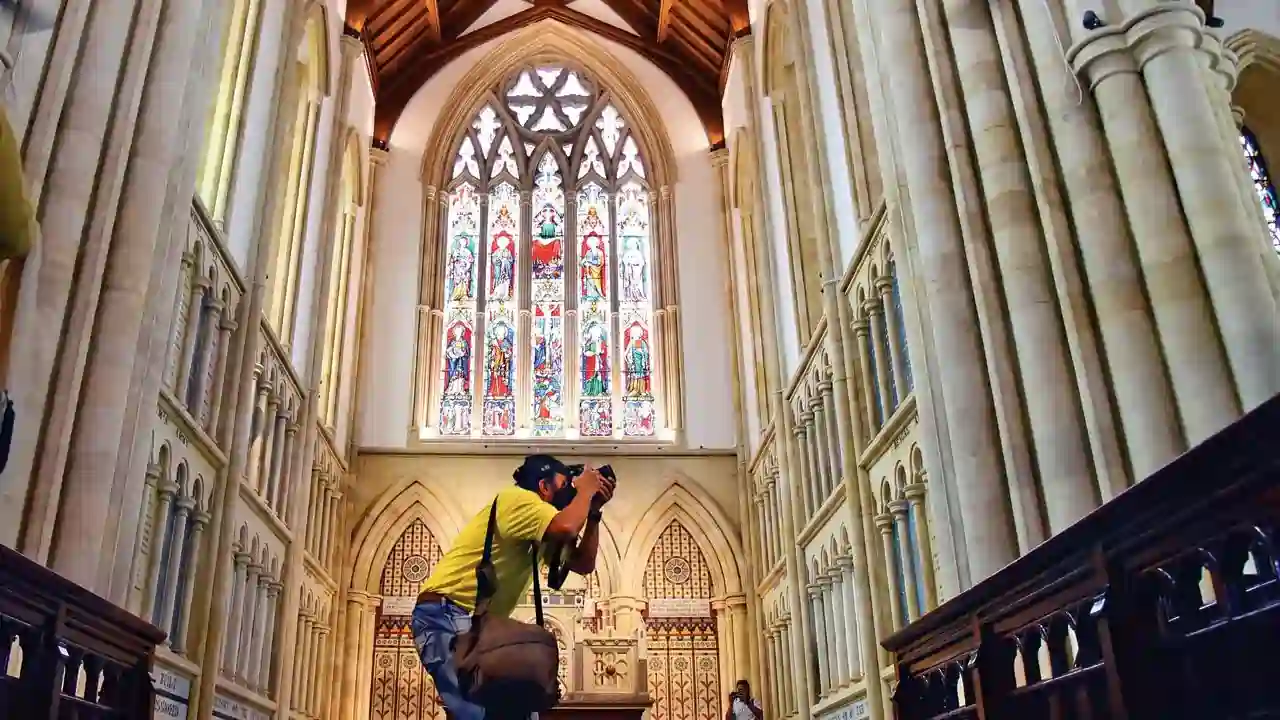
In the bustling city of Mumbai, where history and modernity often intersect, the Afghan Church—formally known as St. John the Evangelist Church—stands as a timeless symbol of colonial-era architecture and spiritual solace. Built in the 19th century and consecrated in 1858, this heritage site was originally constructed to commemorate the British soldiers who perished in the First Afghan War. Its Gothic Revival style, complete with towering spires and intricate stained-glass windows, draws visitors from all walks of life. However, in recent times, this serene sanctuary has become embroiled in heated debates over its portrayal in Bollywood films. The core issue revolves around whether sacred spaces should be used as backdrops for commercial entertainment, especially when scenes involve romance or violence that many perceive as disrespectful. This controversy highlights broader tensions between artistic freedom and the need to preserve religious sanctity, sparking discussions among filmmakers, religious groups, and heritage enthusiasts alike.

The Historical and Cultural Importance of the Afghan Church

The Afghan Church holds profound historical value, serving as a memorial to the fallen soldiers of the Anglo-Afghan conflicts. Located in the Colaba area of Mumbai, it was designed by architect Henry Conybeare and features memorials inscribed with the names of over 4,500 British troops. Beyond its military significance, the church functions as an active place of worship for the Anglican community, hosting regular services, weddings, and community events. Its heritage status, recognized by the Indian National Trust for Art and Cultural Heritage (INTACH), underscores its role in preserving Mumbai's diverse architectural legacy. For locals and tourists, it represents a quiet oasis amid the city's chaos, embodying themes of peace, reflection, and remembrance. Yet, this very tranquility is what makes its use in films so contentious. When Bollywood, known for its larger-than-life narratives, steps into such spaces, it risks commodifying history and spirituality for profit, raising questions about cultural sensitivity in an industry that reaches millions globally.

Rising Objections from Christian Communities

The spark for the current uproar began with the film Param Sundari, where scenes depicted a romantic couple engaging in flirtatious behavior inside what appeared to be a church setting. Christian groups voiced strong objections, arguing that such portrayals trivialize sacred environments meant for prayer and devotion. They contended that filming intimate or light-hearted moments in holy places could erode the reverence associated with them, potentially influencing public perceptions negatively. Building on this, the controversy escalated with Baaghi 4, an action-packed thriller starring Tiger Shroff. Trailers and promotional materials showed intense fight sequences unfolding against the backdrop of the Afghan Church's iconic structure. Critics from the Christian community decried these depictions as not only insensitive but also potentially harmful, suggesting that associating violence with a site of peace could desecrate its essence. These incidents are not isolated; they reflect a pattern in Bollywood where historic religious sites are rented out for shoots, often prioritizing cinematic appeal over ethical considerations.


The Church's Official Position and Calls for Reform

In response to the backlash, church officials have been quick to clarify their stance. They admitted that limited filming did occur on the premises several months prior but emphasized that no violent or action-oriented scenes were permitted. Instead, they suspect that the more dramatic elements in Baaghi 4 were captured on a meticulously crafted replica set, designed to mimic the church's exterior without intruding on the actual site. The pastoral committee has reiterated their commitment to safeguarding the church's sanctity, stating that any use of the space must align with its purpose as a house of worship. This position has been echoed by advocacy groups like the Christian Reform United People Association (CRUPA), which has taken proactive steps by petitioning the Central Board of Film Certification (CBFC). Their demands include editing out any offensive content from the films, imposing a outright ban on similar filming practices in religious venues, and halting the rental of churches for movie productions. These actions underscore a growing movement to protect sacred sites from commercialization, urging filmmakers to explore alternative locations or digital recreations that respect cultural boundaries.

Broader Implications for Film Industry Practices and Heritage Preservation

This debate extends beyond the Afghan Church, touching on universal themes of how art interacts with religion and history. Bollywood, as India's cinematic powerhouse, often draws from real-life locales to add authenticity, but this can lead to unintended consequences like alienating communities or damaging fragile structures. Proponents of filming argue that it brings visibility to heritage sites, potentially boosting tourism and funding for maintenance. However, opponents highlight the risk of misrepresentation, where sacred symbols are reduced to mere props. Moving forward, solutions could involve stricter guidelines from bodies like the CBFC, collaborative consultations with religious leaders before shoots, or incentives for using eco-friendly sets. In an era of digital effects, recreating venues virtually offers a compromise that honors both creativity and reverence. Ultimately, this controversy serves as a reminder that while entertainment evolves, the core values of respect and preservation must remain steadfast.

Conclusion: Finding Harmony in Diversity

The ongoing row over the Afghan Church's depiction in Bollywood films like Param Sundari and Baaghi 4 encapsulates the challenges of balancing modern storytelling with timeless traditions. As Mumbai continues to blend its rich past with contemporary culture, stakeholders must engage in dialogue to ensure that heritage sites like this 19th-century gem are protected. By fostering mutual understanding, the film industry and religious communities can coexist, allowing art to inspire without infringing on sanctity. In doing so, they not only honor the church's legacy but also set a precedent for responsible cultural representation in a diverse society.

Read Also: Sanya Malhotra Celebrates National Awards Success After a Hectic Year

Get the latest Bollywood entertainment news, trending celebrity news, latest celebrity news, new movie reviews, latest entertainment news, latest Bollywood news, and Bollywood celebrity fashion & style updates!

HOW DID YOU LIKE THIS ARTICLE? CHOOSE YOUR EMOTICON!

# Bollywood     # AfghanChurch     # Mumbai