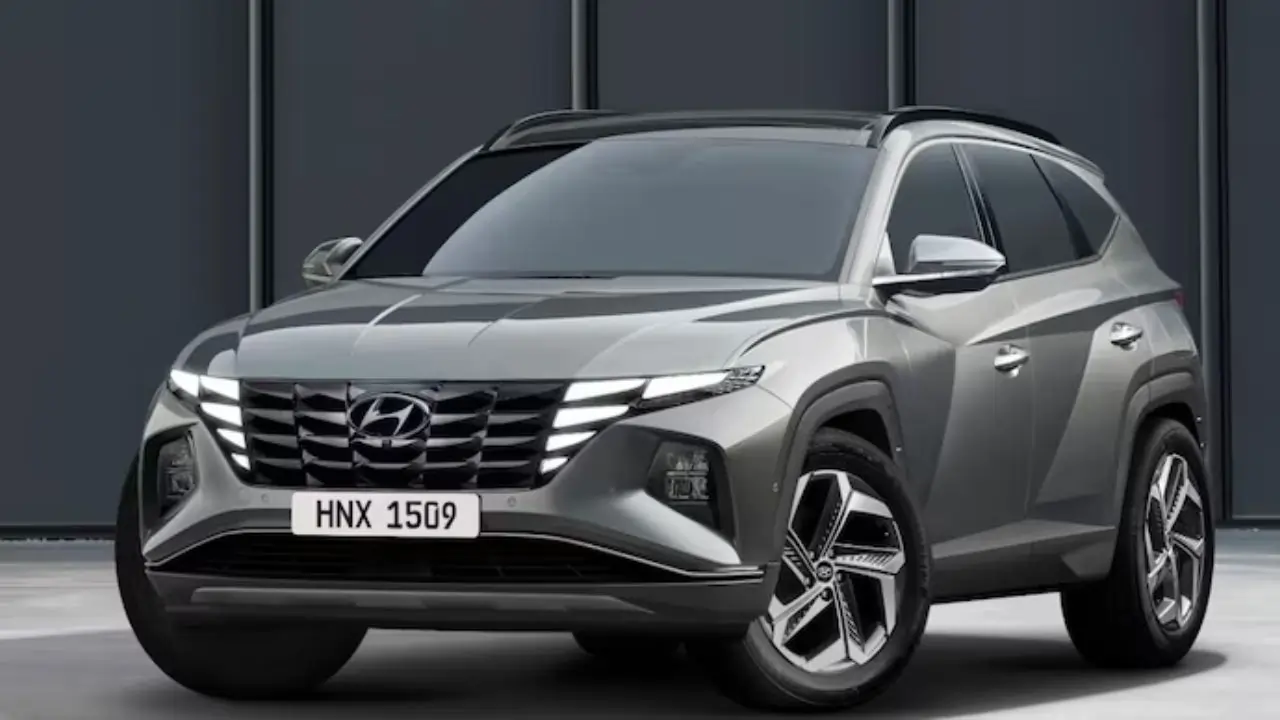
Hyundai Tucson Discontinued in India: Reasons Behind the Fade-Out and Hyundai's Premium Pivot
4 months ago | 5 Views
In a quiet move that's sent ripples through the Indian automotive scene, Hyundai has pulled the plug on its flagship mid-size SUV, the Tucson, from its official website. Launched with much fanfare in 2022 as the fourth-generation model, the Tucson promised a blend of bold styling, tech-savvy features, and rugged capability. Yet, just three years later, it's vanished from the lineup, leaving enthusiasts wondering what went wrong. This discontinuation isn't just about one model bowing out—it's a sign of Hyundai's evolving strategy in a market that's increasingly favoring affordability and electrification over high-end imports.
Weak Demand Plagues the Tucson in a Competitive Arena
The Tucson's downfall boils down to one harsh reality: lackluster sales. For months, monthly figures hovered below 100 units, a far cry from the buzz it generated at launch. In India's SUV-saturated market, where ladder-frame giants like the Toyota Fortuner and Mahindra XUV700 dominate with their go-anywhere appeal, the Tucson's unibody construction struggled to carve out a niche. Urban buyers, who make up the bulk of premium SUV shoppers, often opt for sleeker, more fuel-efficient options from Hyundai's own stable, like the Creta or Alcazar. Rural and adventure seekers, meanwhile, gravitate toward diesel-powered workhorses that better suit India's diverse terrains. Add to that the post-pandemic shift toward value-for-money vehicles, and the Tucson's premium positioning simply didn't resonate enough to sustain demand.
Pricing Challenges: A Barrier in the Value-Driven Market
At the heart of the weak sales lies the Tucson's steep pricing. Starting at around ₹22.69 lakh ex-showroom for the base petrol variant and climbing to ₹27.47 lakh for the top-spec diesel 4WD, it entered a segment where rivals offer more bang for the buck. The Fortuner, for instance, commands loyalty with its bulletproof reliability and resale value, despite similar pricing. Import duties on the Tucson's key components—being a fully imported model—kept costs inflated, making local assembly tweaks unfeasible. In a country where economic pressures push consumers toward sub-₹20 lakh SUVs, the Tucson's tag felt like a luxury stretch for many. Hyundai's attempts to justify the premium through advanced tech fell short against homegrown competitors' aggressive discounts and feature parity.

Premium Features That Couldn't Save the Day
Despite its pricing woes, the Tucson packed a punch in the features department, aiming to lure tech enthusiasts and comfort seekers. Highlights included a panoramic sunroof that flooded the cabin with light, ventilated front seats for those sweltering Indian summers, and a dual-zone climate control system that kept passengers blissfully cool. The 10.25-inch touchscreen infotainment hub, paired with a 10-speaker Bose audio setup, delivered immersive entertainment on long drives. Safety and convenience got boosts from a 360-degree camera, hands-free tailgate, and multiple drive modes. Under the hood, a 2.0L petrol churned out 154 bhp with a six-speed auto, while the diesel variant upped the ante to 189 bhp and 416 Nm of torque, available with all-wheel drive for off-road jaunts. These bells and whistles screamed sophistication, but in a market prioritizing practicality over pizzazz, they weren't enough to offset the cost.
Strong Bharat NCAP Rating: Safety That Went Unnoticed
Safety was another feather in the Tucson's cap, earning it a commendable five-star Bharat NCAP rating—a badge of honor in an era where crash-test scores sway buying decisions. This accolade came from robust construction, six airbags standard across variants, electronic stability control, and hill-start assist, making it one of the safer midsize SUVs tested. Yet, ironically, this strength flew under the radar amid low footfall. Buyers in this segment often rely on word-of-mouth or brand trust rather than deep dives into ratings, and the Tucson's import status meant it didn't benefit from widespread local marketing pushes.
Hyundai's Shift Toward Genesis: Eyes on Premium Horizons
As Hyundai bids adieu to the Tucson, the move aligns with a broader global pivot toward its luxury arm, Genesis. The South Korean giant is doubling down on premium electrification and high-margin vehicles, phasing out volume models that dilute brand equity. In India, this could mean more focus on electrified lineups like the Ioniq series or even Genesis entries tailored for affluent urbanites. Whispers of a facelifted Tucson with hybrid tech hint at a potential return, but for now, Hyundai's strategy screams selectivity—betting big on innovation over mass appeal.
The Tucson's exit marks the end of an era for Hyundai's bold SUV experiments in India. While it leaves a void for feature-hungry buyers, it underscores a vital lesson: in this dynamic market, even the most loaded ride needs to strike the right price-to-value chord to thrive. As Hyundai charts a premium course, Indian roads might soon see sleeker, greener alternatives. What's next for the brand? Only time—and perhaps a Genesis tease—will tell.
Read Also: Unveiling Automotive Majesty: Royal Bahrain Concours Debuts in Riffa with Rare Legends
Get the latest Bollywood entertainment news, trending celebrity news, latest celebrity news, new movie reviews, latest entertainment news, latest Bollywood news, and Bollywood celebrity fashion & style updates!
HOW DID YOU LIKE THIS ARTICLE? CHOOSE YOUR EMOTICON!
# HyundaiTucson # Hyundai




.webp)