










Edagaiye Apaghatakke Karana Ending Explained: Lohith’s Fate Unraveled
4 months ago | 5 Views
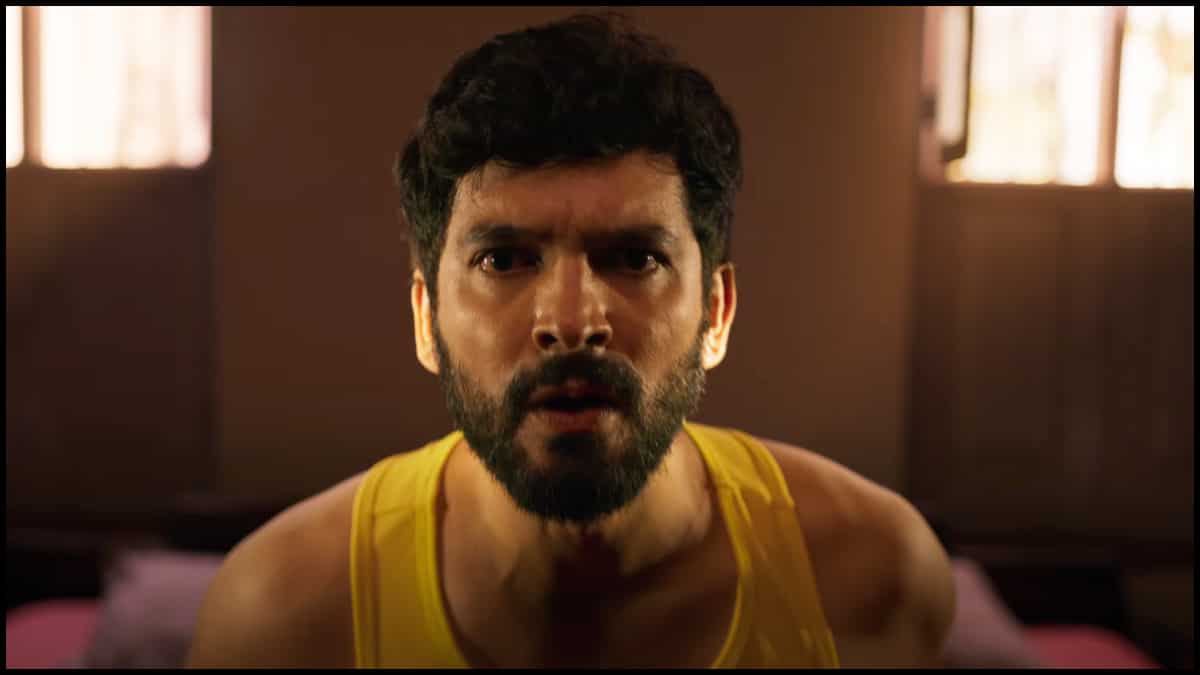
Edagaiye Apaghatakke Karana, a 2025 Kannada black comedy suspense thriller, has captivated audiences with its quirky narrative and unpredictable twists. Directed by debutant Samarth Kadkol, the film follows Lohith, a left-handed techie played by Diganth Manchale, whose life spirals into chaos after a series of mishaps. The gripping storyline, infused with dark humor and psychological depth, leaves viewers questioning whether Lohith gets caught in the death of his friend Pooja or manages to escape the consequences. This essay delves into the film’s complex ending, exploring Lohith’s fate and the thematic layers that make this conclusion unforgettable.
The Setup: A Tragic Accident and a Web of Chaos
The story begins with Lohith, a left-hander frustrated by the challenges of living in a right-handed world. His struggles are highlighted early on, from everyday inconveniences to societal biases, setting the stage for the film’s exploration of fate versus choice. During a clandestine romantic rendezvous with Pooja (Nidhi Subbaiah) at her apartment, a seemingly innocuous moment turns tragic. After a playful song-and-dance sequence, Pooja slips from the balcony and falls to her death. Lohith, nursing a cricket injury that weakens his grip, fails to save her. Panicked and fearing blame, he flees the scene by climbing onto the balcony of the neighboring apartment, hoping to slip away unnoticed. This decision marks the beginning of a chaotic chain of events that defines the film’s narrative.
The Neighboring Nightmare: Radhika’s Deadly Deceptions
In the adjacent apartment, Lohith encounters Radhika (Dhanu Harsha), who claims to be checking on her sister, Samiksha. However, Radhika is far from innocent. She has just killed Samiksha in a fit of rage, suspecting her twin of betraying her secrets to her husband, Raghav. As Lohith stumbles into this volatile situation, Radhika manipulates him into helping her conceal the crime. The situation escalates when Radhika murders Samiksha’s boyfriend, Praneeth, and an investigating inspector, further entangling Lohith in her web of violence. Radhika’s delusional belief that she and Lohith could have a future together adds a layer of dark irony, as she sees him as an accomplice rather than a victim of circumstance.
The Climax: Blurring Reality and Illusion
The film’s climax takes a surreal turn, challenging viewers to discern reality from illusion. As Lohith grapples with the mounting body count and his own guilt, the narrative shifts to a rooftop scene where he contemplates suicide, overwhelmed by the chaos. A mysterious stranger intervenes, talking him down and prompting him to recount his story. This moment reveals a critical twist: the stranger is an innocent casualty caught in the crossfire of Radhika and Samiksha’s conflict, adding a tragic dimension to the story. The film’s attempt to blend psychological depth with dark comedy falters slightly here, as the sudden emotional tone feels forced compared to the earlier balance of humor and suspense. However, this shift underscores the theme of unintended consequences, where a single misstep—Lohith’s failure to save Pooja—triggers a cascade of disasters.
Does Lohith Get Caught or Escape?
The question of whether Lohith gets caught or finds a way out is central to the film’s resolution. After Radhika’s crimes unravel, she faces her “karma payback,” as described in reviews, suggesting her downfall. Lohith, however, is not explicitly shown as being apprehended. His decision to flee Pooja’s apartment and his involvement in hiding bodies could implicate him, but the film leans into ambiguity. The narrative suggests that Lohith’s escape is less about evading legal consequences and more about confronting his moral culpability. The stranger’s intervention on the rooftop implies a chance for redemption, hinting that Lohith may choose to face his actions rather than run from them. Yet, the film leaves his ultimate fate open-ended, allowing viewers to ponder whether he turns himself in or slips away into anonymity.
Thematic Depth: Fate, Choice, and Left-Handed Struggles
Edagaiye Apaghatakke Karana uses its dark comedy framework to explore deeper themes. The title, translating to “Left Hand is the Cause of Accident,” reflects the film’s focus on the overlooked struggles of left-handers, symbolizing how small differences can lead to disproportionate consequences. Lohith’s left-handedness is both a literal and metaphorical catalyst for the story’s chaos, questioning whether his misfortunes are due to fate or his own choices. The film’s blend of humor and suspense, reminiscent of a “Pink Panther-esque” chaos, keeps viewers engaged while prompting reflection on how seemingly trivial actions can spiral into life-altering events.
Conclusion: A Lingering, Thought-Provoking Finale
The ending of Edagaiye Apaghatakke Karana is a masterful blend of ambiguity and emotional resonance. While it doesn’t explicitly confirm whether Lohith gets caught, it suggests a moral reckoning over a legal one. The film’s strength lies in its ability to entertain while raising questions about destiny, responsibility, and societal biases. Diganth’s compelling performance, paired with Kadkol’s innovative storytelling, ensures that the conclusion lingers in viewers’ minds. Whether Lohith escapes or faces justice, the film’s exploration of chaos and consequence makes it a standout in Kannada cinema, inviting audiences to reflect on the unpredictable nature of life.
Read Also: X&Y Ending Explained: Unraveling the Complexities of Human Life Through an Innocent Soul
Get the latest Bollywood entertainment news, trending celebrity news, latest celebrity news, new movie reviews, latest entertainment news, latest Bollywood news, and Bollywood celebrity fashion & style updates!