14 Years of Zindagi Na Milegi Dobara: Farhan Akhtar Looks Back on a Modern Bollywood Classic
4 months ago | 5 Views
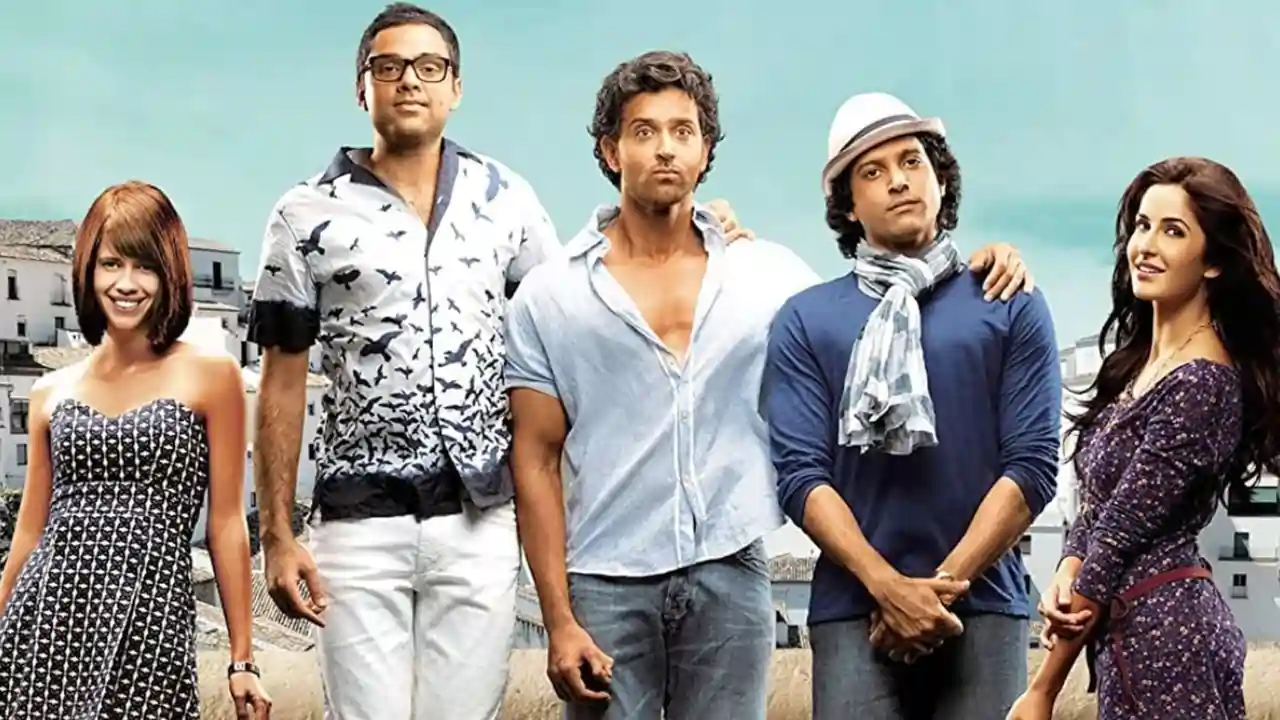
Farhan Akhtar celebrated the 14th anniversary of Zindagi Na Milegi Dobara by sharing an emotional promo on social media. The film, released on July 15, 2011, has become an important part of Indian cinema. In his message, Farhan thanked the cast and crew, tagging stars Hrithik Roshan, Abhay Deol, Katrina Kaif, and Kalki Koechlin. He also acknowledged director Zoya Akhtar and writers Reema Kagti and Javed Akhtar. “Celebrating 14 years,” he wrote, expressing how the movie still connects with audiences around the world.
Directed by Zoya Akhtar, Zindagi Na Milegi Dobara follows three friends on a road trip across Spain. It’s a story about healing, finding oneself, and seeking adventure. The film mixes genres smoothly — a buddy comedy, an emotional romance, and a story of personal growth. It’s filled with deep emotions and social insights. The beautiful Spanish scenery and striking visuals added a new look to Bollywood, appealing to city folks and international viewers alike.
The movie was both a critical hit and a box office success. It earned over ₹150 crore worldwide and won several awards. It received two National Film Awards for Best Audiography and Best Choreography. The soundtrack by Shankar-Ehsaan-Loy, especially songs like “Senorita” and “Der Lagi Lekin,” became symbols for freedom and reflection. The sharp dialogue by Javed Akhtar and the film’s poetic voiceovers gave it a literary feel, making its emotional moments even stronger.
Fourteen years later, Zindagi Na Milegi Dobara remains a key example of stories set abroad that focus on characters. Its influence still lasts, inspiring many to travel, think, and live life with no regrets. As Farhan Akhtar and his team celebrate its legacy, fans keep watching the film. They cherish it not just for the story but for the feelings it leaves behind—about friendship, freedom, and new beginnings.
Read Also: Hamsini Entertainment Drops Star-Studded Teaser for Rajinikanth’s Coolie