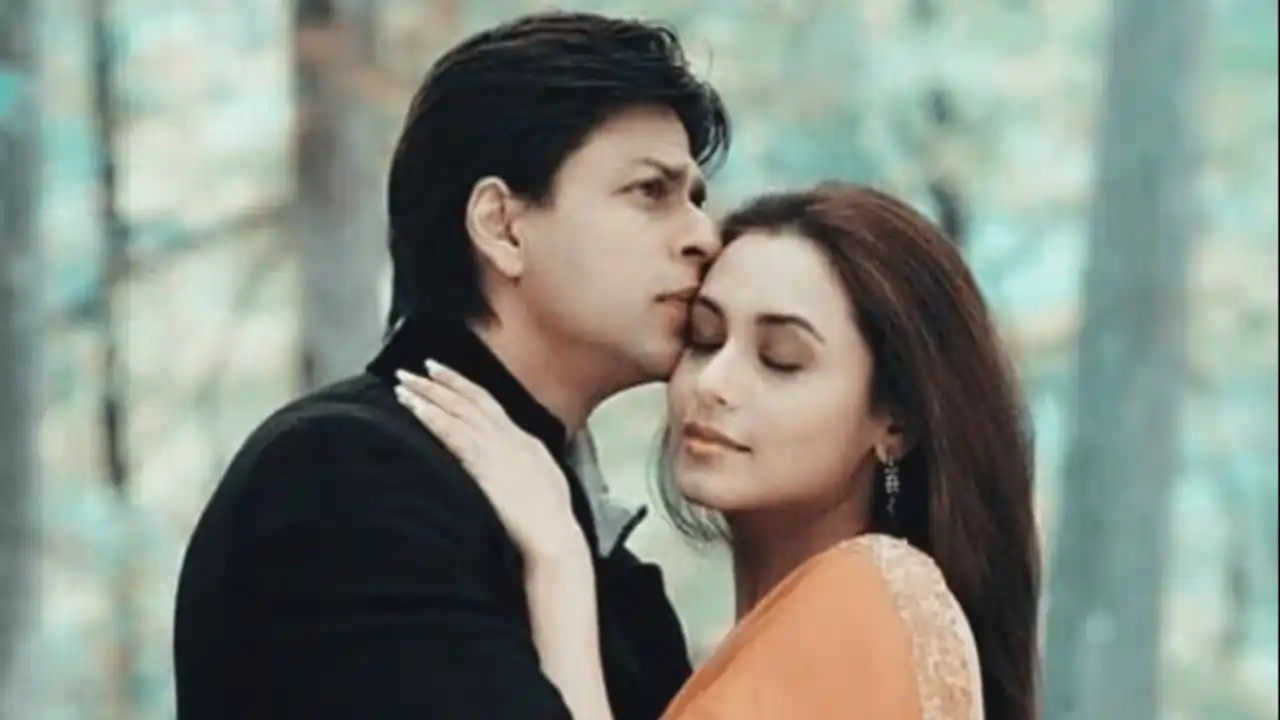
Rani Mukerji Reflects on Kabhi Alvida Naa Kehna: Why This Bollywood Classic Was Ahead of Its Time
2 months ago | 5 Views
In a recent interview, Bollywood star Rani Mukerji opened up about her 2006 film Kabhi Alvida Naa Kehna (KANK), describing it as a groundbreaking work that pushed boundaries in Indian cinema. Directed by Karan Johar, the movie starred an ensemble cast including Shah Rukh Khan, Preity Zinta, Abhishek Bachchan, and Mukerji herself. At the time of its release, it stirred controversy for its bold take on marital issues, but Mukerji now believes it was simply too progressive for audiences back then. She argues that the film's exploration of infidelity and emotional disconnects in relationships forced viewers to confront uncomfortable realities they weren't ready to face.
The Bold Narrative of Kabhi Alvida Naa Kehna
KANK tells the story of two unhappily married individuals, Dev (Shah Rukh Khan) and Maya (Rani Mukerji), who find solace in each other despite their commitments to their spouses. The plot delves into the complexities of love, loyalty, and the societal expectations that often trap people in unfulfilling unions. Unlike typical Bollywood romances that emphasize eternal bliss, this film portrayed marriage as something that could falter due to mismatched expectations or fading attractions.
Mukerji highlighted how the movie challenged the fairy-tale notion of wedded life. She pointed out that many relationships end not because of dramatic betrayals, but due to a simple lack of physical or emotional connection. In her view, KANK was revolutionary because it normalized discussions around these "taboo" topics, showing that infidelity isn't always black-and-white but often stems from deeper personal dissatisfaction.
Societal Discomfort and Resisted Truths
One of the key reasons Mukerji calls the film "ahead of its time" is the backlash it received upon release. Critics and audiences alike criticized it for glamorizing extramarital affairs, but Mukerji sees this reaction as a sign of societal unease. She explained that the story held up a mirror to real-life issues that people preferred to ignore, like the pressure to stay in loveless marriages for the sake of tradition or family honor.
In Indian culture, where arranged marriages and lifelong commitments are often idealized, KANK dared to question these norms. Mukerji noted that the discomfort arose because the film made viewers see their own "truths"—perhaps reflections of their personal lives or those of people around them. Nearly two decades later, with evolving conversations around mental health, divorce, and relationship dynamics, the movie's themes feel more relevant than ever.
Cinema's Role in Sparking Change
Mukerji's reflections underscore the transformative power of films. She believes cinema isn't just entertainment; it's a tool to challenge perceptions and ignite societal shifts. By portraying flawed characters and raw emotions, KANK encouraged audiences to rethink rigid ideas about love and fidelity. Today, as divorce rates rise and people prioritize personal happiness, the film's message resonates stronger.
This isn't unique to KANK—many trailblazing movies face initial resistance before being hailed as classics. Mukerji's comments remind us that bold storytelling can plant seeds for cultural evolution, even if it takes time to bloom.
In retrospect, Kabhi Alvida Naa Kehna wasn't just a film; it was a conversation starter. As Mukerji aptly puts it, sometimes art leads the way when society lags behind. For fans revisiting it now, the movie offers fresh insights into the human heart's complexities.
Get the latest Bollywood entertainment news, trending celebrity news, latest celebrity news, new movie reviews, latest entertainment news, latest Bollywood news, and Bollywood celebrity fashion & style updates!
HOW DID YOU LIKE THIS ARTICLE? CHOOSE YOUR EMOTICON!
# RaniMukerji # KabhiAlvidaNaaKehna # ShahRukhKhan