10 Pioneering Indian Films That Challenged Queer Norms and Ignited Fierce Debates
1 month ago | 5 Views
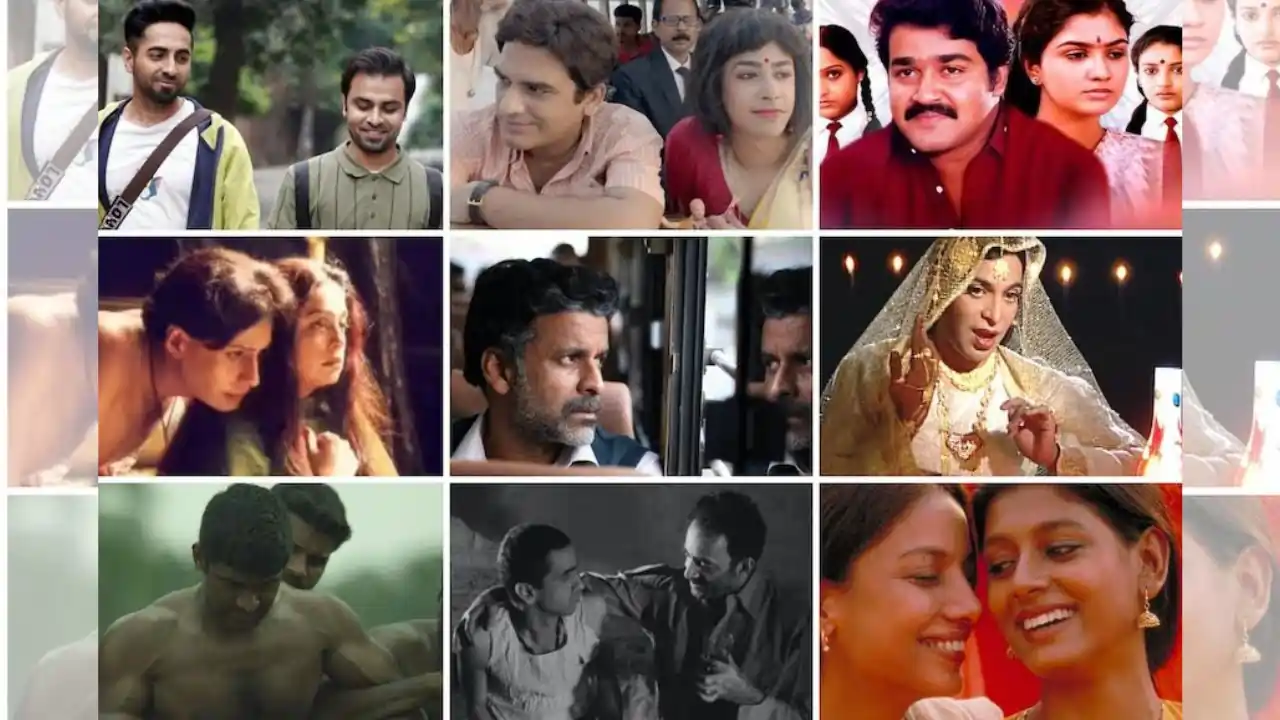
In a country where traditional values often clash with evolving ideas of love and identity, Indian cinema has occasionally pushed boundaries by exploring queer relationships. These films, spanning decades, have highlighted LGBTQ+ experiences while facing intense scrutiny, from censorship hurdles to public outcries. They not only disrupted societal norms but also fueled vital conversations on acceptance and rights. Here's a look at 10 such trailblazers that dared to portray love beyond conventions, enduring backlash yet leaving a lasting mark on India's queer discourse.
Breaking Taboos in the Early Years
Starting in the 1970s, when discussions on homosexuality were hushed, Badnam Basti (1971) directed by Prem Kapoor stood out as a quiet revolution. Adapted from a novel, it weaves a love triangle involving fluid sexuality, including intimate bonds between men, without judgment. The film normalized bisexuality and acceptance of marginalized figures like sex workers, but its subtle queer undertones led to limited release and societal unease, marking it as India's earliest queer cinematic gem. Rediscovered years later, it now inspires reflections on love transcending gender.
Moving to the 1980s, Deshadanakili Karayarilla (1986) by Padmarajan subtly delved into female desire through the story of two rebellious schoolgirls whose deep bond hints at lesbianism. Amid Kerala's conservative backdrop, the film faced interpretive debates and quiet resistance for portraying youthful alienation and unspoken affection. Though not overtly protested, it sparked discussions on women's sexuality, influencing later queer narratives in regional cinema.
Igniting Protests in the 1990s
The 1990s saw bolder depictions amid growing visibility. Fire (1996), Deepa Mehta's landmark, portrays two sisters-in-law in unhappy marriages finding solace in each other. Its lesbian themes triggered massive uproar—right-wing groups like Shiv Sena vandalized theaters, protesting it as an assault on Indian culture. Banned briefly in some areas, it battled censorship but ultimately amplified global awareness of queer women's struggles, paving the way for feminist and LGBTQ+ activism.

Similarly, Darmiyaan (1997) by Kalpana Lajmi explores intersex identity through a Bollywood star's child born with ambiguous gender. The film's raw look at exclusion and self-acceptance met institutional pushback, with limited screenings due to discomfort over "third gender" portrayals. It challenged male-centric norms but faced quiet erasure, yet it humanized marginalized lives, contributing to early trans visibility.
Gulabi Aaina (1997/2003), Sridhar Rangayan's campy satire on trans lives, was outright banned by the CBFC for being "vulgar." Featuring drag queens and fluid identities, it endured years of appeals amid homophobic backlash. Though underground, it became a cult favorite at festivals, highlighting censorship's role in silencing queer joy and fostering underground networks.
Modern Struggles and Triumphs
Into the 2010s, Aligarh (2015) drew from a real gay professor's persecution, emphasizing dignity and privacy. It faced CBFC cuts, TV muting of words like "gay," and local bans, stirring protests over institutional homophobia. The film deepened empathy, boosting post-Section 377 dialogues on rights.
Ka Bodyscapes (2016) tackled gay love and body politics in Kerala, refused certification for "insulting" Hinduism and explicit scenes. Director Jayan Cherian fought legal battles amid Hindutva opposition, finally releasing post-2018 decriminalization, symbolizing resistance against feudal norms.
Sisak (2017), India's first silent LGBTQ short, captures unspoken romance between two men on a train. Without dialogue, it evaded heavy censorship but highlighted isolation in a homophobic society, winning international acclaim and encouraging subtle queer storytelling.
Nagarkirtan (2017) weaves a tender trans-cis love story, earning National Awards despite pre-release controversy from groups decrying "unnatural" themes. It addressed poverty and ostracism, facing backlash but promoting empathy and challenging cisnormativity.
Finally, Shubh Mangal Zyada Saavdhan (2020) brought mainstream humor to gay romance, with a couple battling family prejudice. While celebrated for visibility, it drew criticism for softening edges, yet it normalized queer love in Bollywood, aiding societal shifts toward acceptance.
These films, through their courage, have dismantled stereotypes and fueled India's LGBTQ+ movement, proving cinema's power to provoke change despite adversity.
Get the latest Bollywood entertainment news, trending celebrity news, latest celebrity news, new movie reviews, latest entertainment news, latest Bollywood news, and Bollywood celebrity fashion & style updates!
HOW DID YOU LIKE THIS ARTICLE? CHOOSE YOUR EMOTICON!
# IndianFilms # Bollywood # Tollywood