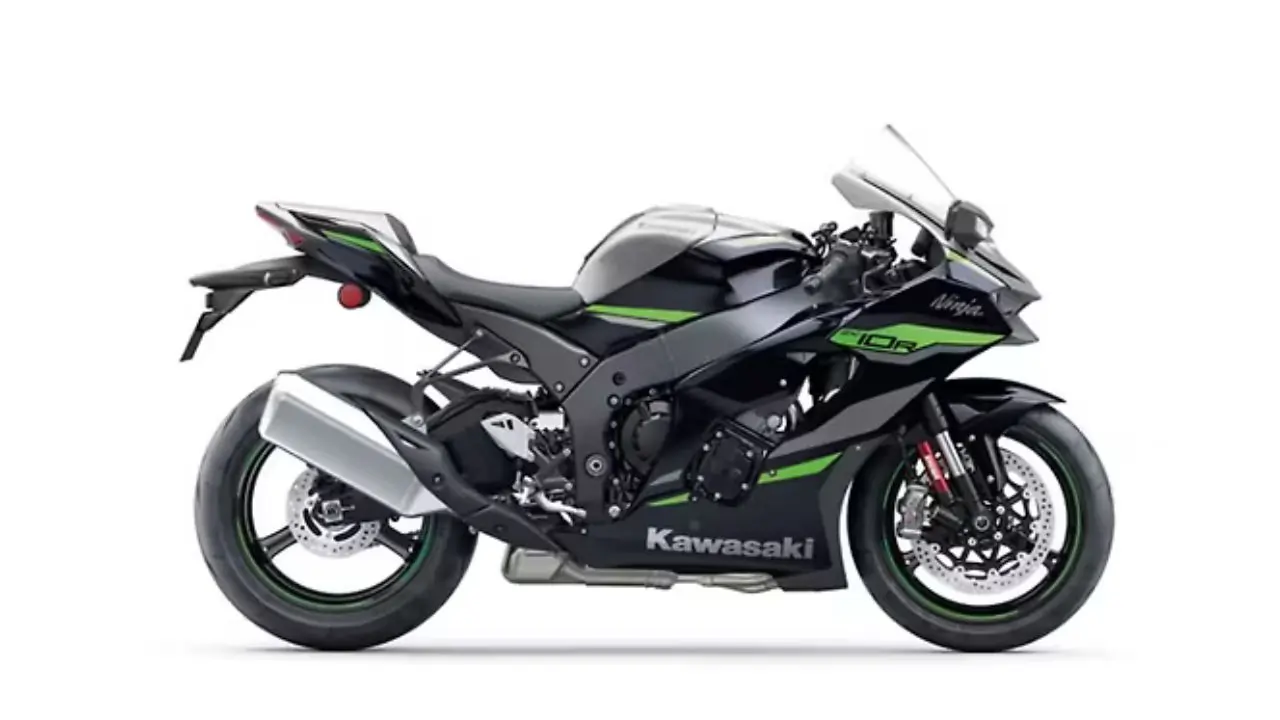
Kawasaki ZX-10R Speeding Incident Highlights Road Safety Concerns
5 months ago | 5 Views
A Dangerous Feat on the Highway
The Kawasaki ZX-10R, a marvel of modern engineering, is built for speed, boasting a top-tier performance that can push beyond 300 kmph. Recently, a rider on this superbike made headlines by hitting that jaw-dropping speed on a public highway, narrowly escaping a catastrophic crash. This heart-stopping incident has sparked widespread discussion about the dangers of reckless speeding, the risks it poses to everyone on the road, and the urgent need for shared accountability among drivers.
The ZX-10R’s raw power is designed for controlled environments like racetracks, not bustling highways where unpredictable traffic conditions demand caution. The rider’s decision to unleash the bike’s full potential in such a setting underscores a critical issue: the temptation to test limits can have deadly consequences.
The Risks of Reckless Speeding
Speeding at 300 kmph on a public road is not just a thrill-seeking stunt; it’s a gamble with lives. At such velocities, reaction times shrink to fractions of a second, leaving little room to avoid obstacles like slower vehicles, road debris, or sudden lane changes. In this case, the rider narrowly avoided a collision, but the outcome could have been tragic—for themselves, other drivers, or pedestrians.

High-speed incidents don’t just endanger the rider. They ripple outward, threatening everyone sharing the road. A single miscalculation could lead to multi-vehicle accidents, severe injuries, or worse. Beyond the physical risks, such reckless behavior fuels public fear and erodes trust in road safety, making highways feel like battlegrounds rather than shared spaces.
Shared Accountability on the Road
While the ZX-10R rider’s actions were undeniably reckless, road safety is a collective responsibility. Drivers of all vehicles—motorcycles, cars, or trucks—must prioritize caution and awareness. Motorcyclists, in particular, face unique vulnerabilities due to their exposure, but they also bear the responsibility to ride within legal and safe limits. Car drivers, on the other hand, must stay vigilant, checking blind spots and respecting the presence of faster-moving bikes.
Traffic authorities also play a role. Stricter enforcement of speed limits, targeted awareness campaigns, and better road infrastructure can deter dangerous behavior. For instance, installing speed cameras or clear signage in high-risk areas could discourage thrill-seekers from treating highways like racetracks. Education about the consequences of speeding—both legal and human—can further shift attitudes toward safer driving.
Learning from Near Misses
This incident, while alarming, offers a chance to reflect and act. The rider’s close call is a stark reminder that speed, while exhilarating, demands respect. Motorcycles like the ZX-10R are engineering triumphs, but their power belongs on tracks, not public roads. By fostering a culture of mutual respect and accountability, we can make highways safer for everyone.
Ultimately, this near-disaster is a wake-up call. It urges riders to temper their need for speed, drivers to stay mindful, and authorities to reinforce safety measures. Only through shared effort can we prevent thrilling rides from turning into tragedies.
Get the latest Bollywood entertainment news, trending celebrity news, latest celebrity news, new movie reviews, latest entertainment news, latest Bollywood news, and Bollywood celebrity fashion & style updates!
HOW DID YOU LIKE THIS ARTICLE? CHOOSE YOUR EMOTICON!
# KawasakiZX-10R # Motorcycles




.webp)